
What Role Does Early Socialization Play in Dog Communication?

Early socialization in dogs plays a central role in how puppies grow into socially aware, emotionally balanced companions. From the first weeks of life, puppies begin learning how to interpret sounds, scents, movements, and signals from the world around them. These early experiences directly shape dog communication behavior and long-term social confidence.

At All Dogs Rock in West Palm Beach, many families ask why their puppy reacts nervously or confidently in social settings. The answer often traces back to early socialization in dogs. The exposure a puppy receives during key developmental stages influences how they respond to people, other dogs, and unfamiliar environments.

Understanding this connection helps dog owners make informed choices during puppyhood. When social learning happens gradually and positively, it supports healthy puppy social skills. When exposure is limited or overwhelming, misunderstandings in canine body language can develop. These communication gaps may lead to fear, anxiety, or reactivity later in life.
Early Socialization

Understanding Early Socialization in Dogs

Early socialization in dogs typically occurs between three and fourteen weeks of age. During this sensitive period, puppies are especially receptive to new experiences. They observe, explore, and form associations that shape how they interpret the world long after puppyhood ends.

This stage introduces puppies to different surfaces, sounds, people, animals, and environments. Each safe interaction helps them understand what is normal and non-threatening. These lessons become the foundation for dog communication behavior in social settings, including parks, homes, and public spaces.

Without consistent exposure, puppies may struggle to read signals correctly. A dog unfamiliar with other breeds, children, or busy streets may misinterpret body language or environmental cues. Early socialization in dogs reduces confusion by building familiarity through calm, structured experiences.

The Link Between Socialization and Dog Communication Behavior

Dog communication behavior relies heavily on reading and responding to subtle signals. Dogs use posture, tail position, ear movement, facial expressions, and vocalizations to communicate. Puppies learn these signals primarily through interactions with their mother, littermates, and later, other dogs.

When early socialization in dogs includes safe play with well-mannered dogs, puppies practice appropriate responses. They learn when play is welcome, when to pause, and when another dog needs space. These lessons support respectful social behavior throughout adulthood.

If a puppy lacks these early exchanges, misunderstandings can occur. A dog that never learned to interpret calming signals may react defensively. This does not mean the dog is aggressive; it may simply lack the early communication practice needed to feel secure.

Building Puppy Social Skills Through Early Exposure

Puppy social skills develop through repetition and observation. When puppies meet different people, they learn to interpret various walking styles, voices, and gestures. Meeting children, adults, and seniors helps them adapt their responses accordingly.

Exposure to different dog sizes and breeds also supports balanced development. A puppy that interacts only with similar dogs may feel uncertain around larger or more energetic companions. Early socialization in dogs provides a broader understanding of diverse canine body language styles.

Structured group settings can help guide these early lessons. In West Palm Beach, warm weather encourages outdoor interaction, making it easier for puppies to experience new sights and sounds. Gradual introductions in controlled spaces help prevent overwhelming situations.

Reading and Responding to Canine Body Language

Canine body language is subtle yet powerful. A slight turn of the head, a lowered tail, or a play bow all carry meaning. Puppies learn to recognize these cues through direct interaction. Early socialization in dogs allows repeated exposure to these signals in a safe setting.

When puppies observe their littermates, they begin understanding boundaries. If one puppy bites too hard during play, another may yelp or withdraw. This feedback teaches bite inhibition and respectful engagement. These early corrections shape long-term dog communication behavior.

Dogs that miss these early lessons may struggle to interpret signals correctly. For example, they might approach a fearful dog too directly or ignore calming gestures. Teaching owners to observe and guide these moments supports clearer communication.
Early Socialization

The Role of Positive Experiences

Not all exposure counts as healthy socialization. The quality of experiences matters as much as the quantity. Early socialization in dogs should involve positive, calm interactions rather than forced encounters. Overwhelming situations can create fear instead of confidence.

Gentle introductions to new environments help puppies form neutral or pleasant associations. Visiting different neighborhoods in West Palm Beach, hearing traffic from a distance, or walking on various surfaces all contribute to balanced development. These experiences shape steady dog communication behavior.

Consistency also plays a role. Short, repeated outings are often more beneficial than a single intense event. Puppies learn best when they feel safe enough to observe and process information at their own pace.

Long-Term Effects of Early Socialization in Dogs

The influence of early socialization in dogs extends far beyond puppyhood. Adult dogs who experienced varied, positive exposure often display relaxed body posture and clear communication signals. They tend to approach new situations with curiosity rather than fear.

Strong puppy social skills often translate into smoother introductions at dog parks or family gatherings. These dogs are more likely to interpret canine body language accurately and adjust their responses accordingly. This reduces misunderstandings and tension during social encounters.

In contrast, dogs with limited early experiences may require gradual desensitization later in life. While learning can occur at any age, early exposure lays the groundwork for easier communication patterns. Prevention is often simpler than correction.

The Human Connection in Communication

Early socialization in dogs also shapes how puppies communicate with people. Dogs learn to read facial expressions, tone of voice, and body posture. They begin associating certain cues with safety, play, or rest.

Puppies exposed to different individuals early on often adapt more comfortably to guests or new caregivers. This flexibility supports healthy dog communication behavior within families. It also reduces stress during grooming visits or veterinary appointments.

Owners play an active role in reinforcing clear signals. Calm guidance, consistent routines, and attentive observation help puppies understand expectations. At All Dogs Rock, families are encouraged to focus on steady, patient introductions that respect each puppy’s comfort level.

Socialization in Urban and Coastal Environments

Living in West Palm Beach presents unique socialization opportunities. From beach walks to outdoor cafes, dogs may encounter bicycles, skateboards, boats, and diverse crowds. Early socialization in dogs prepares them to process these experiences without alarm.

Introducing environmental stimuli gradually supports balanced puppy social skills. Allowing a puppy to observe waves from a distance before approaching the shoreline helps prevent sensory overload. Exposure paired with reassurance strengthens calm dog communication behavior.

Urban sounds such as sirens or construction should also be introduced thoughtfully. Controlled exposure at low intensity allows puppies to adapt without fear. Over time, these sounds become part of their normal environment.

Recognizing Signs of Healthy Communication

Dogs who benefited from early socialization often display relaxed body movements and appropriate play signals. Their tails move naturally, their posture remains loose, and they respond when another dog requests space. These signs reflect balanced canine body language understanding.

Healthy dog communication behavior also includes disengagement. A well-socialized dog knows when to step away from overstimulation. This self-regulation develops through early practice and supportive guidance from both littermates and humans.

Owners can encourage continued growth by observing interactions carefully. Interrupting play when arousal rises too high teaches puppies to reset calmly. These lessons reinforce the communication skills developed during early socialization in dogs.
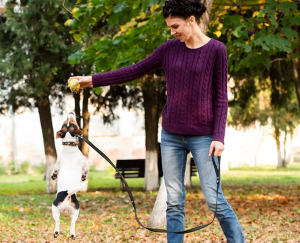
Best Dog Trainers in Lantana

Supporting Ongoing Development

Social learning does not stop after fourteen weeks. Continued exposure during adolescence reinforces earlier lessons. Regular walks, controlled playdates, and new experiences help maintain strong puppy social skills into adulthood.

At All Dogs Rock in West Palm Beach, guidance often focuses on consistency and patience. Clear routines, balanced exposure, and attentive supervision help dogs refine their communication abilities over time. Early socialization in dogs sets the stage, but ongoing practice sustains progress.

By understanding the connection between early exposure and dog communication behavior, owners can create thoughtful experiences for their pets. Each calm introduction, each positive interaction, contributes to clearer canine body language interpretation and healthier lifelong relationships.

FAQs

What is early socialization in dogs?

Early socialization in dogs refers to the period when puppies are introduced to new people, animals, environments, sounds, and experiences in a safe and gradual way, usually between three and fourteen weeks of age.

How does early socialization affect dog communication behavior?

It teaches puppies how to read and respond to canine body language, helping them interact calmly and appropriately with other dogs and people throughout their lives.

Can older dogs improve their social skills if they missed early socialization?

Yes, older dogs can learn through gradual exposure and positive experiences, though progress may take more time compared to puppies socialized early.

What are signs of good puppy social skills?

Loose body posture, appropriate play signals, responding to calming cues, and the ability to disengage from overstimulation are signs of healthy puppy social skills.

How can I safely socialize my puppy in West Palm Beach?

Start with calm neighborhood walks, controlled introductions to friendly dogs, and gradual exposure to beach and city environments while monitoring your puppy’s comfort level.
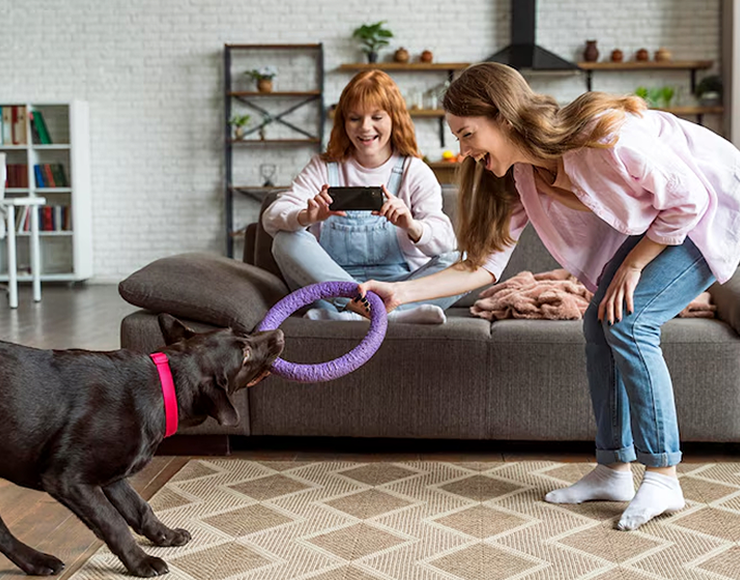

Read more
dog boarding near West Palm Beach

Where to Leave Dog While on Vacation Near West Palm Beach

Planning a trip should feel exciting, not stressful. If you are wondering where to leave your dog while on vacation near West Palm Beach, you are not alone. Many pet parents want loving, safe care. Finding reliable dog boarding near West Palm Beach makes traveling easier and worry free.

Leaving your dog behind can bring mixed emotions. You want them safe, happy, and cared for while you are away. Choosing trusted pet boarding West Palm Beach families rely on gives peace of mind. A caring environment ensures your dog feels comfortable, active, and supported during your vacation.

dog boarding

Why Dog Boarding Is a Smart Choice

Dog boarding near West Palm Beach offers structure, supervision, and social time. Unlike asking a neighbor or friend, boarding facilities focus fully on animal care. Staff members monitor behavior, feeding, rest, and play. This routine helps dogs adjust smoothly while you enjoy your trip.

Boarding facilities provide secure spaces designed for dogs. Clean sleeping areas, shaded outdoor yards, and indoor play zones help keep pets safe and comfortable. With dog daycare West Palm Beach services included, your pet enjoys regular activity instead of feeling isolated at home.

What to Look for in Pet Boarding West Palm Beach

When choosing pet boarding West Palm Beach, look for cleanliness, friendly staff, and organized schedules. A welcoming environment tells you a lot about how dogs are treated. Visit in person if possible. Observe how dogs interact with caregivers and other pets.

Ask about feeding routines and medication policies. A reliable facility will follow your dog’s diet and special instructions carefully. Clear communication before and during your trip matters. Knowing your dog’s needs are understood builds trust and comfort while you travel.

Safety is another key factor. Secure fencing, monitored playgroups, and separate areas for different dog sizes help prevent problems. Responsible dog boarding near West Palm Beach centers prioritize calm introductions and supervised social time to keep every dog safe and relaxed.

Benefits of Dog Daycare West Palm Beach Services

Many boarding facilities also offer dog daycare West Palm Beach programs. Daycare allows dogs to play, exercise, and socialize during the day. This keeps energy levels balanced and reduces anxiety that sometimes comes with being away from home.

Dogs are social animals. Interaction with other friendly dogs and caring handlers supports emotional well being. Structured play sessions, rest breaks, and feeding times create a familiar rhythm. This consistency helps dogs settle into their temporary home comfortably.

Daycare activities also support physical health. Regular movement keeps joints active and minds engaged. Instead of staying alone in a crate for long periods, dogs enjoy supervised freedom. For active breeds especially, this daily activity makes a noticeable difference.

Vacation Pet Care West Palm Beach for Peace of Mind

Vacation pet care West Palm Beach services are designed for longer stays. Whether you are gone for a weekend or several weeks, boarding facilities provide stable care routines. Dogs receive meals, exercise, and affection each day while you focus on your travel plans.

Some facilities offer updates through photos or messages. Staying connected while away can ease your mind. Seeing your dog relaxed and playful reassures you that you made the right choice with dog boarding near West Palm Beach.

Long term stays also allow dogs to build familiarity with caregivers. After a day or two, most dogs settle into their new environment. Friendly staff members become trusted figures, helping your pet feel secure throughout your vacation.

Why Local Families Choose All Dogs Rock

All Dogs Rock in West Palm Beach has become a trusted name for dog boarding near West Palm Beach. Pet parents appreciate the welcoming atmosphere and caring team. The focus is always on safety, comfort, and positive experiences for every dog.

At All Dogs Rock, dogs are treated like family. Playgroups are supervised to ensure healthy interaction. Rest periods are built into the day so dogs do not become overstimulated. Clean sleeping areas provide a quiet space for nighttime relaxation.

Pet boarding West Palm Beach clients often share that their dogs are excited to return. That excitement speaks volumes. When dogs pull toward the entrance with wagging tails, it shows they associate the space with fun and care.

dog boarding

Preparing Your Dog for Boarding

Preparation can make your dog’s stay smoother. Schedule a short daycare visit before a longer boarding stay. This introduction helps your dog become familiar with the environment. Dog daycare West Palm Beach trial days can reduce anxiety before vacation time.

Pack familiar items like your dog’s regular food and possibly a favorite blanket. Consistency supports comfort. Provide clear written instructions about feeding, medications, and special preferences. The more information you share, the easier it is for caregivers to meet your dog’s needs.

Keep goodbyes calm and positive. Dogs sense emotions quickly. A relaxed departure helps them adjust faster. Trust that vacation pet care West Palm Beach services are there to provide attentive support while you are away.

Signs of Quality Dog Boarding Near West Palm Beach

Quality dog boarding near West Palm Beach facilities maintain clear communication. Staff members are willing to answer questions and explain daily routines. Transparency builds confidence and shows dedication to animal welfare.

Look for structured daily schedules. Balanced time for play, rest, meals, and bathroom breaks keeps dogs settled. Organized routines reduce stress and create predictability, which most dogs respond to very well.

Cleanliness should always be visible. Fresh water bowls, tidy play areas, and sanitized sleeping spaces show consistent care. When you see these standards in place, you can feel more secure leaving your pet in their hands.

Supporting Your Dog’s Emotional Well Being

Dogs thrive on connection. During boarding, affectionate interaction from caregivers plays an important role. Gentle attention, supervised play, and verbal reassurance help dogs feel safe in a new setting.

Dog daycare West Palm Beach programs provide healthy outlets for energy. Physical movement and social engagement reduce boredom. When dogs return home after vacation pet care West Palm Beach stays, many appear content and well adjusted.

Choosing a facility like All Dogs Rock means placing your dog in a supportive environment. Consistent care, social time, and thoughtful supervision all contribute to a positive boarding experience. That balance allows both you and your dog to enjoy time apart without worry.

doggy daycare

Making Travel Easier for You and Your Dog

Travel planning becomes smoother when dog boarding near West Palm Beach is arranged in advance. Booking early, especially during holidays, ensures availability. Reliable pet boarding West Palm Beach services can fill quickly during busy travel seasons.

Knowing your dog is in capable hands allows you to relax and focus on your trip. Instead of constant check ins with neighbors, you have structured care in place. That preparation turns vacation into a true break for everyone.

All Dogs Rock in West Palm Beach offers dog boarding, daycare, and vacation pet care West Palm Beach families depend on. With caring staff and safe spaces, your dog receives steady attention while you enjoy your time away.

FAQs

How far in advance should I book dog boarding near West Palm Beach?

It is wise to book at least two to four weeks ahead, especially during holidays or summer travel seasons when facilities fill quickly.

What should I bring for pet boarding West Palm Beach stays?

Bring your dog’s regular food, medications, feeding instructions, and vaccination records. A familiar blanket can also provide comfort.

Is dog daycare West Palm Beach included with boarding?

Many facilities, including All Dogs Rock, include supervised play and social time as part of boarding stays.

How do I know my dog will be safe during vacation pet care West Palm Beach services?

Look for secure fencing, supervised playgroups, clean facilities, and clear communication from staff members.

Can my dog stay for an extended vacation?

Yes, most dog boarding near West Palm Beach facilities accommodate both short and long term stays with structured daily care routines.

Read more
7 7 7 rule for dogs

What is the 7 7 7 Rule for Dogs? Understanding Early Socialization

When it comes to raising a well-adjusted dog, early socialization is key. It’s not just about teaching your dog basic commands—it’s about ensuring they are comfortable in a variety of environments, with different people, animals, and situations. One effective way to grasp the concept of dog socialization is by following the “7 7 7 Rule for Dogs.” In this article, we’ll explore what this rule means, why it’s important, and how it ties into early dog socialization.

What is the 7 7 7 Rule for Dogs?

The “7 7 7 Rule for Dogs” is a guideline that breaks down the important socialization periods during a dog’s life, making it easier for owners to understand the phases of development and social exposure. The rule is divided into three key stages based on the dog’s age:

  • 7 Weeks: The first critical period for socializing puppies begins at 7 weeks of age.

  • 7 Months: This is a transitional stage when dogs are maturing and need further socialization.

  • 7 Years: By the time a dog reaches 7 years old, the foundation of their socialization should already be established.

Each of these stages is a milestone in a dog’s life, and understanding them helps you provide the appropriate experiences at the right time to ensure your dog grows up happy and well-adjusted.

Dog Training West Palm Beach

Why is Early Dog Socialization Important?

Socialization is one of the most significant factors that influence a dog’s behavior, temperament, and ability to adapt to new environments. It refers to the process of introducing a puppy to various experiences, people, animals, and environments to help them grow into a confident, calm, and well-behaved adult dog.

Early dog socialization helps in several ways:

  • Preventing Fear and Aggression: Dogs who are not socialized properly can develop fearful or aggressive behaviors, which can be difficult to correct later on.

  • Building Confidence: Socialization helps dogs become more adaptable to changes in their environment, such as meeting new people or moving to a new home.

  • Improved Relationships: A well-socialized dog is generally better at getting along with other dogs and people.

  • Reducing Behavioral Problems: Proper socialization can help curb issues such as separation anxiety, excessive barking, or destructive behavior.

Key Puppy Development Stages and Socialization

To understand how the 7 7 7 Rule for Dogs applies to socialization, it’s essential to look at a dog’s developmental stages. The experiences puppies have during their early life directly impact their emotional and behavioral responses as they grow older.

1. Neonatal Period (Birth to 2 Weeks)

In the first two weeks of life, puppies are entirely dependent on their mother. They have very limited sensory experiences, only beginning to open their eyes and ears by the end of this period. While socialization with humans is not yet feasible at this stage, the foundational behaviors they learn from interacting with their littermates and mother will form the basis for their future behavior.

2. Transitional Period (2 to 4 Weeks)

At 2 to 4 weeks, puppies start to become more aware of their surroundings. Their eyes and ears fully open, and they begin to explore their environment. During this time, gentle human interaction is important. Handling puppies carefully and in a positive manner helps them develop trust in humans, which is vital for their future social behavior.

3. Socialization Period (4 to 14 Weeks)

This is arguably the most crucial period for early dog socialization. From 4 to 14 weeks, puppies are particularly sensitive to new experiences and are eager to explore their environment. During this time, they should be introduced to a variety of people, animals, sounds, and environments to build their confidence and reduce the risk of developing fear or aggression later in life. Puppies that aren’t socialized adequately during this period are more likely to develop behavioral problems, such as anxiety or aggression.

4. Juvenile Period (14 Weeks to 6 Months)

During the juvenile period, puppies continue to mature. They will begin testing boundaries and may exhibit more independent behavior. While they are less impressionable than before, it is still important to continue socialization efforts and reinforce the lessons learned during the socialization period. This is also the time when your dog will likely experience some growth spurts and may require adjustments to their routine.

5. Adolescent Period (6 to 18 Months)

The adolescent period is similar to the teenage years in humans. Dogs are transitioning from puppies to adults, and their behavior may become more challenging during this time. They may test authority, push boundaries, and become more independent. Continued socialization is essential during this stage to reinforce positive behaviors and ensure your dog remains confident in various situations.

6. Adult Period (18 Months and Beyond)

At this point, your dog has fully matured. While it’s still possible to socialize an adult dog, it becomes more difficult if they haven’t been properly socialized as puppies. Adult dogs that were not exposed to various situations early on may have a harder time adjusting to new experiences or environments. However, it’s never too late to work on socialization—it just requires patience and consistent effort.

How the 7 7 7 Rule Guides Socialization

Now that we understand the various developmental stages, let’s break down how the 7 7 7 Rule for Dogs applies to each age milestone.

1. 7 Weeks – The First Socialization Milestone

At 7 weeks of age, puppies are at a critical stage where their social development begins to take shape. Early interactions with humans, other animals, and different environments will have a profound impact on how they respond to future experiences. During this stage, it’s important to:

  • Introduce your puppy to various types of people (men, women, children).

  • Expose them to different sounds and environments (cars, vacuum cleaners, busy streets).

  • Let them interact with well-behaved, vaccinated dogs to teach them proper doggy behavior.

7 7 7 rule for dogs

2. 7 Months – The Adolescent Stage

At 7 months, your dog enters adolescence, a time when their personality is beginning to solidify. By now, your dog should have experienced a wide range of social situations. However, this is still a time when reinforcement is key. If your dog has not yet been exposed to certain environments or situations, it’s still possible to build their confidence by gently introducing them to new experiences.

Socializing at this stage may also involve more structured training. Ensuring your dog is comfortable with commands like “sit,” “stay,” and “come” can help them feel more secure in unfamiliar situations.

3. 7 Years – The Senior Stage

By the time a dog reaches 7 years old, they are considered a senior. At this point, a properly socialized dog will be calm, well-adjusted, and less likely to exhibit behavioral issues. Dogs that were socialized early in life tend to be better at adapting to changes such as moving homes, traveling, or meeting new people later in life.

While socialization becomes less frequent after this stage, it’s important to continue providing your dog with regular mental stimulation and opportunities for positive social experiences. This helps them maintain their emotional health throughout their senior years.

Helping Dogs Adjust to New Homes

One of the most important reasons to socialize a dog early on is to help them adjust to new environments. Whether you’re bringing home a new puppy or adopting an older dog, helping dogs adjust to new homes requires patience and understanding. Dogs that have been exposed to different people, animals, and environments are much more likely to adapt to new situations without anxiety or fear.

To help your dog settle in:

  • Introduce them to their new environment gradually.

  • Create a safe space where they can retreat if they feel overwhelmed.

  • Maintain a consistent routine to help them feel secure.

  • Gradually introduce new people and pets to avoid overwhelming them.

Conclusion: Early Socialization is Key to a Happy Dog

The 7 7 7 Rule for Dogs is a great tool for understanding the critical phases of a dog’s development and socialization. From the early weeks to the adolescent phase and into their senior years, early socialization sets the foundation for a balanced, confident, and well-behaved dog.

By following the 7 7 7 rule and ensuring your dog is exposed to various experiences at the right times, you can help your dog thrive in a world full of new people, places, and situations. Whether you’re raising a puppy or adopting an adult dog, don’t underestimate the power of early socialization—it’s a vital part of raising a happy and healthy dog.

FAQ

When should I start socializing my puppy?

Start socializing your puppy as early as 7 weeks old. The critical socialization period lasts until about 14 weeks, so this is the best time to introduce them to various experiences, people, and animals.

Can I socialize an older dog?

Yes, you can still socialize an older dog, though it may take more time and patience. Gradual exposure to new situations and positive reinforcement can help even adult dogs become more comfortable in unfamiliar environments.

How do I help my dog adjust to a new home?

Provide a safe and quiet space for your dog, introduce them to their new surroundings slowly, and maintain a consistent routine to help them feel secure.

What happens if I don’t socialize my dog early on?

Lack of early socialization can lead to fear-based behaviors, aggression, and anxiety in dogs, making it harder to address these issues later in life.

How can I ensure my dog continues to be well-socialized after the early years?

Socialization is an ongoing process. Continue exposing your dog to new experiences, people, and environments throughout their life to maintain their confidence and adaptability.

Read more
Regular Dog Grooming Lake Hypoluxo

The Importance of Regular Grooming for Lake Hypoluxo Dogs

Maintaining Regular dog grooming Lake Hypoluxo is essential for the overall well-being of your canine companion. Grooming is more than just keeping your dog looking neat; it plays a significant role in maintaining dog health. Dogs of all breeds and sizes benefit from consistent coat care, nail trimming, and ear cleaning. By following a grooming schedule, owners can prevent discomfort and detect early signs of health issues.

Dog Grooming

How Regular Grooming Helps Maintain Dog Health

Regular grooming sessions in Lake Hypoluxo are linked directly to maintaining dog health. Cleaning your dog’s coat removes dirt, debris, and loose hair that could irritate the skin. Brushing also stimulates natural oils that keep the coat soft and shiny. Checking your dog’s ears and teeth during grooming can prevent infections and dental problems. Overall, grooming provides an opportunity to monitor your pet’s physical condition regularly.

Creating a Consistent Grooming Schedule for Dogs

A practical grooming schedule in Lake Hypoluxo helps dogs adapt to regular maintenance. Frequency depends on coat type, age, and activity level. Short-haired dogs may need brushing once a week, while long-haired breeds require more frequent attention. Scheduling regular nail trims, ear checks, and bath days ensures your dog remains comfortable and reduces the risk of skin irritation or injury. Consistency is key to making grooming a stress-free routine.

Essential Coat Care Tips for Lake Hypoluxo Dogs

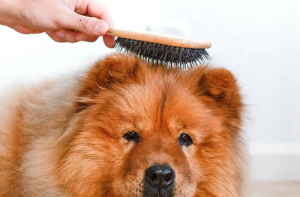
Proper coat care is important for every dog, regardless of size or breed. Regular brushing prevents matting and tangles, which can cause skin problems. Use the right brush for your dog’s coat type to remove loose fur effectively. Bathing should be gentle, using dog-specific shampoo to maintain natural oils. Remember, coat care also includes trimming around sensitive areas such as paws, ears, and under the tail for hygiene.

Daily Grooming Practices Every Owner Can Follow

Incorporating daily grooming habits helps dogs feel more comfortable and reduces shedding in your home. Light brushing every day prevents knots and distributes oils throughout the coat. Wiping paws after walks removes dirt and potential allergens. Daily inspection of ears, eyes, and teeth allows early detection of issues. These simple practices in Lake Hypoluxo strengthen the bond between you and your pet while supporting overall health.

Common Grooming Mistakes to Avoid With Dogs

Avoiding mistakes during regular dog grooming Lake Hypoluxo ensures your dog remains safe and comfortable. Never use human shampoo as it can irritate the skin. Skipping nail trims can cause pain or walking problems. Over-bathing may strip the coat of essential oils, while neglecting ear cleaning could lead to infections. Learning proper techniques for brushing and bathing creates a calmer, more enjoyable grooming routine.

Benefits of Professional Guidance for Dog Grooming

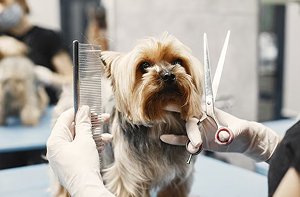
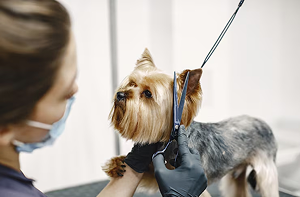
While daily grooming can be done at home, seeking guidance from experienced handlers ensures the dog’s coat and health are managed correctly. Professionals can demonstrate the correct brushing techniques, trimming methods, and ways to check for early health concerns. Understanding the basics of dog grooming through occasional support helps owners maintain a regular routine that keeps their pets comfortable and healthy in Lake Hypoluxo.

Recommended Grooming Tools for Lake Hypoluxo Dogs

Using the right grooming tools simplifies the routine and protects your dog’s skin and coat. Here’s a suggested list:

  • Soft-bristle brush for sensitive areas
  • Slicker brush for long or curly coats
  • Nail clippers designed for dogs
  • Dog-specific shampoo and conditioner
  • Cotton pads and gentle wipes for ears and paws
  • Towels or grooming gloves for handling

These tools ensure that grooming is thorough, safe, and stress-free for both owners and dogs.

Seasonal Grooming Tips for Dogs in Lake Hypoluxo

Seasonal changes affect your dog’s coat and skin, making routine grooming even more important. During hot months, regular brushing reduces shedding and prevents matting. Winter requires more frequent moisture checks to avoid dry skin. Adjusting bathing schedules and paying attention to coat thickness helps your dog remain comfortable in all weather conditions. These adjustments are part of a mindful grooming schedule that keeps dogs healthy year-round.

How Grooming Improves Dog Comfort and Behavior

Dogs who are groomed regularly tend to feel more relaxed and display better behavior. Mats and tangles can cause discomfort and irritability. Regular brushing, nail trimming, and ear cleaning reduce physical stress and improve movement. Additionally, grooming sessions in Lake Hypoluxo offer bonding opportunities that build trust between you and your dog. Consistent routines help dogs anticipate care, making each session calmer and more enjoyable.

Pet Grooming West Palm Beach

Encouraging Dogs to Enjoy Grooming Routines

Making grooming a positive experience ensures dogs remain cooperative and calm. Gentle handling, treats, and praise create an association between grooming and comfort. Start with short sessions and gradually increase duration as your dog adjusts. Regular routines in Lake Hypoluxo, combined with patience and care, teach dogs that grooming is part of their daily life, making it less stressful for both pet and owner.

Signs Your Dog Needs Immediate Grooming Attention

Being aware of when your dog requires urgent grooming can prevent minor issues from becoming severe. Look for:

  • Excessive scratching or hair loss
  • Foul odor from ears or coat
  • Overgrown nails affecting walking
  • Matted fur causing discomfort
  • Redness or irritation on skin

Addressing these signs quickly maintains Dog health Lake Hypoluxo and comfort while avoiding long-term problems.

Maintaining Dog Health Through Simple Grooming Habits

Incorporating regular dog grooming Lake Hypoluxo into your routine supports overall health naturally. Consistent brushing, bathing, and nail care prevent skin issues and promote circulation. Checking your dog’s teeth, ears, and paws ensures early detection of potential problems. Simple daily practices combined with a structured grooming schedule allow dogs to stay comfortable, happy, and healthy throughout their lives in Hypoluxo.

Why All Dogs Rock in Hypoluxo Supports Grooming

At All Dogs Rock in Hypoluxo, our focus is on encouraging dog owners to establish consistent grooming habits. We provide guidance on coat care, grooming schedules, and gentle handling techniques to maintain dog health. Our approach emphasizes comfort, safety, and routine, helping dogs thrive physically and emotionally. Regular grooming sessions create a positive environment for dogs to feel cared for and loved.

FAQ Section

How often should I groom my dog in Lake Hypoluxo?

Grooming frequency depends on breed and coat type. Short-haired dogs may need weekly brushing, while long-haired dogs benefit from multiple sessions per week.

Can grooming prevent health issues in dogs?

Yes. Regular grooming allows early detection of skin problems, ear infections, and dental issues, supporting overall dog health.

What is included in a typical grooming schedule?

A routine includes brushing, bathing, nail trimming, ear cleaning, and checking teeth and skin. Adjust frequency depending on your dog’s needs.

Are there specific tools for different coat types?

Yes. Slicker brushes suit long or curly coats, while soft-bristle brushes are ideal for sensitive areas. Dog-specific shampoos maintain coat health.

How do I make grooming enjoyable for my dog?

Use gentle handling, short sessions, and treats. Gradually introduce grooming activities to create positive associations and reduce stress.

Read more