

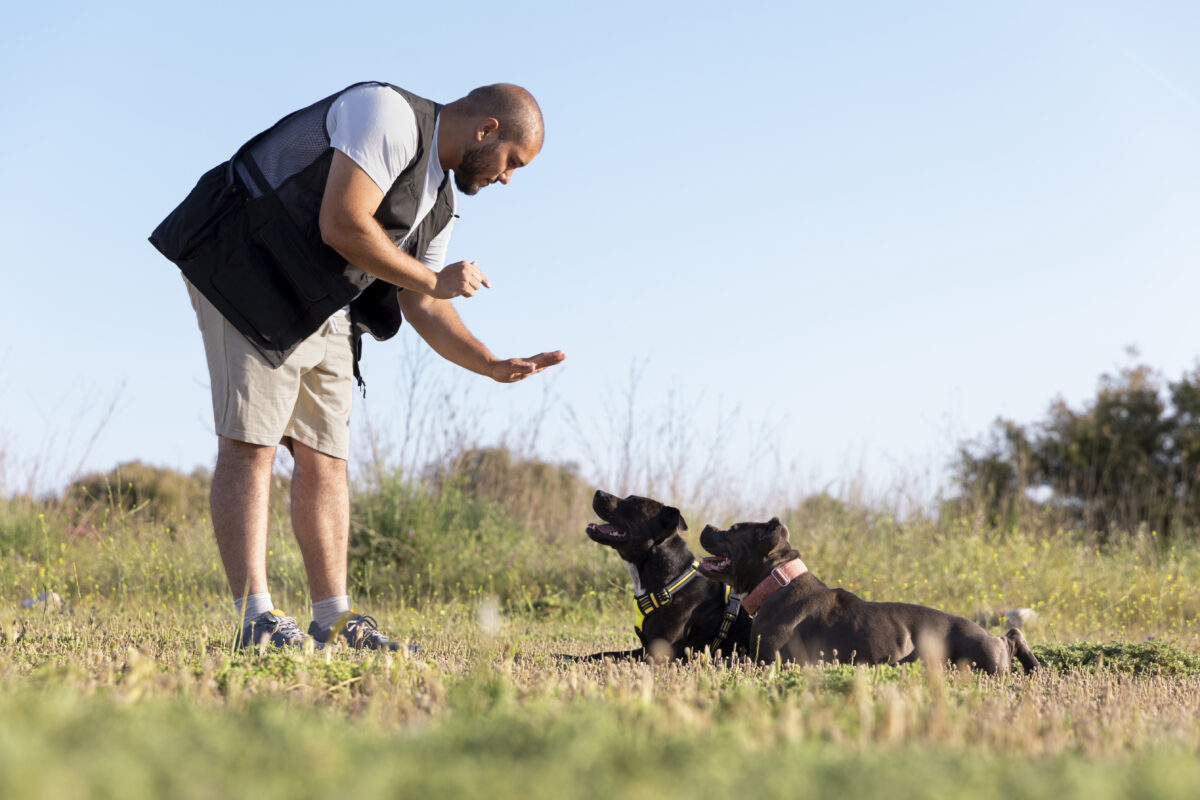
If you are thinking about training your dog, one of the first questions you may have is, “How Long Does Dog Training Take?” The answer depends on your dog’s age, personality, training goals, and how consistently you practice at home. Some dogs learn basic commands within a few weeks, while more challenging behaviors can take several months. Dog training is not about reaching a perfect finish line. It is about building good habits through regular practice, patience, and positive communication.
For pet owners looking for dog training West Palm Beach FL, understanding the typical training timeline can help you set realistic expectations and choose the right training approach.
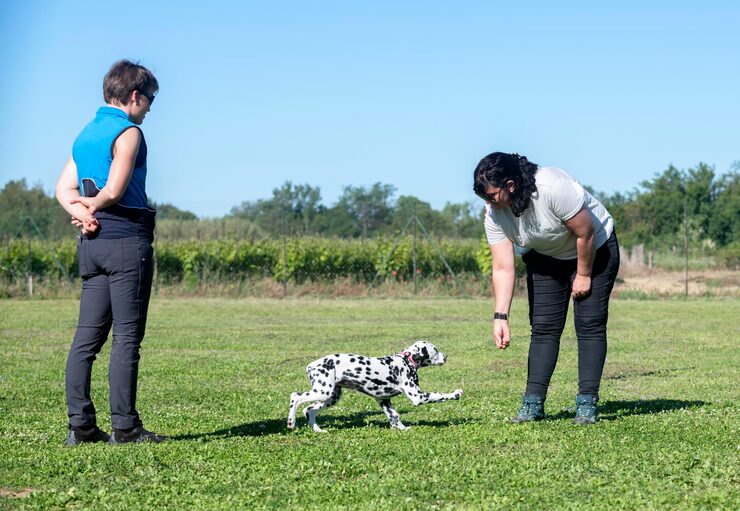
How Long Does It Take to Train a Dog?
There is no single timeline that works for every dog. A dog learning basic commands may show progress in a few weeks, while obedience or behavior problems may require longer training.
Factors that can affect training time include:
- Your dog’s age
- Previous training experience
- Personality and temperament
- The behavior you want to change
- How often you practice
- The training methods being used
- Your dog’s environment
For example, teaching a dog to sit or stay may be relatively quick. Teaching reliable recall, loose-leash walking, or reducing unwanted behaviors can take more time.
The key is to focus on steady improvement rather than expecting instant results.
How Long Does Dog Obedience Training Take?
Many owners ask how long does dog obedience training take because they want their dogs to respond reliably to everyday commands.
Basic obedience training may include:
- Sit
- Stay
- Come
- Down
- Leave it
- Place
- Walking politely on a leash
Some dogs may learn the basics within several weeks with regular practice. However, learning a command and consistently following it in different situations are two different things.
A dog might sit perfectly at home but struggle to listen at a busy park. That is why obedience training often involves gradually practicing commands in different environments.
How Long Does Puppy Training Take?
Puppies are capable of learning from a young age, but they also have short attention spans and are still developing. When people ask how long does puppy training take, the answer depends on what you are teaching.
Puppy training can cover:
- Potty training
- Crate training
- Basic commands
- Socialization
- Leash skills
- Appropriate play
- Bite inhibition
- Household manners
Some puppy behaviors can improve quickly, while potty training and reliable manners may take longer.
Short, positive training sessions are usually easier for puppies than long sessions. The goal is to make learning enjoyable while building good habits early.
How Many Training Sessions Does a Dog Need?
There is no fixed number of sessions every dog needs. The answer to how many training sessions does a dog need depends on the dog’s goals and starting point. A dog learning basic manners may need fewer sessions than a dog dealing with significant behavior challenges.
Professional training sessions can teach you what to practice, but your work between sessions matters just as much. Dogs learn through repetition, so practicing commands regularly helps turn new skills into habits.Instead of focusing only on the number of sessions, look at your dog’s progress over time.
How Often Should You Train Your Dog?
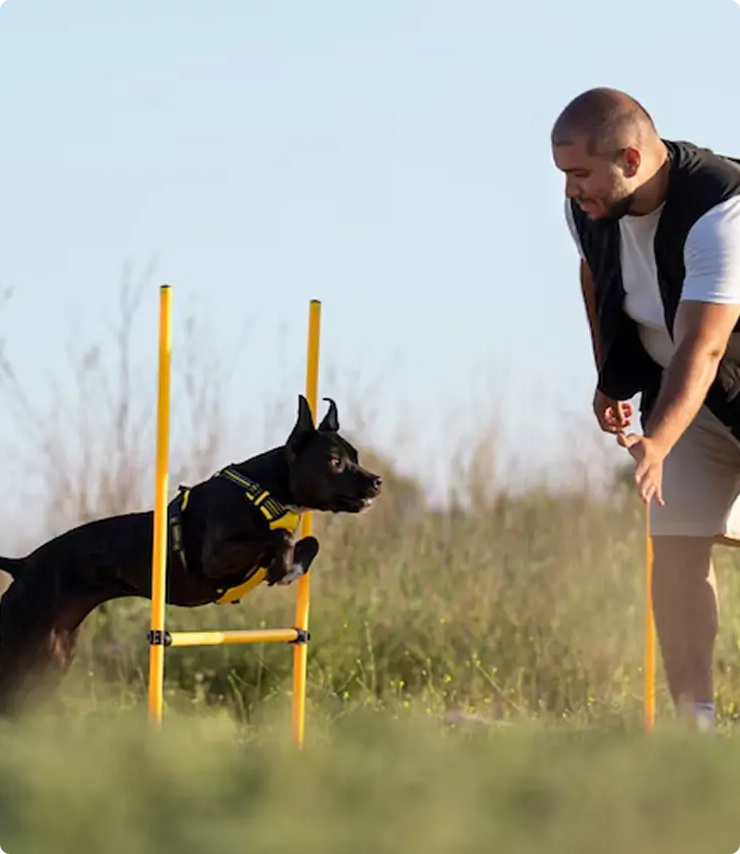
One of the most important parts of successful training is consistency. If you are wondering how often should you train your dog, short and regular practice is generally more useful than occasional long sessions.
For many dogs, several short practice sessions throughout the day can work well. You can include training in everyday activities such as:
- Asking your dog to sit before meals
- Practicing “stay” before opening a door
- Rewarding calm behavior
- Practicing leash walking during regular walks
- Asking for a command before playtime
These small moments can make training part of your dog’s daily routine.
How Long Does Professional Dog Training Take?
Many owners choose professional support when they want guidance or need help with specific behaviors. So, how long does professional dog training take? It depends on the dog’s needs and the goals of the training program. Professional training may focus on basic obedience, puppy development, leash manners, household behavior, or more complex challenges.
A professional trainer can assess your dog’s current behavior and create a training plan based on your goals. However, professional sessions are only one part of the process. Consistent practice at home can make a major difference. If you are searching for professional dog training near me, look for a trainer who explains the process clearly and gives you practical skills you can continue using at home.
How Long Does Behavior Training Take for Dogs?
Behavior training can take longer when a dog has developed habits such as excessive jumping, barking, leash pulling, fear, or difficulty responding around distractions. The question how long does behavior training take for dogs does not have one universal answer. Some behaviors may improve within weeks, while others require longer-term management and practice.
The most important thing is to identify the cause of the behavior and use an appropriate training plan. Progress may happen gradually, and setbacks can sometimes occur. Patience and consistency are important throughout the process.
Dog Training in West Palm Beach
For local pet owners, finding the right support can make training easier and more structured. If you are searching for dog trainers in West Palm Beach, All Dogs Rock provides dog training support designed around individual dog and owner needs. Whether you are working with a young puppy or an adult dog, training can help improve communication, manners, and everyday life.
For pet owners searching for dog training West Palm Beach FL or professional dog training near me, choosing a local trainer can also make it easier to receive ongoing guidance and practice skills in familiar surroundings.
What Can Affect Your Dog’s Training Timeline?
Every dog learns differently. Several factors can influence how quickly your dog progresses.
Age
Puppies are learning basic life skills, while adult dogs may already have established habits. Both can learn, but their training needs may be different.
Consistency
Regular practice helps reinforce what your dog learns. Inconsistent training can make it harder for your dog to understand expectations.
Training Goals
Teaching basic commands is different from changing a long-standing behavior. More complex goals may require additional time.
Environment
Dogs may behave differently at home, on walks, around other dogs, or in busy public spaces. Training should gradually include different environments.
Owner Involvement
Training works best when owners understand how to reinforce the desired behavior. Your participation outside professional sessions is an important part of the process.
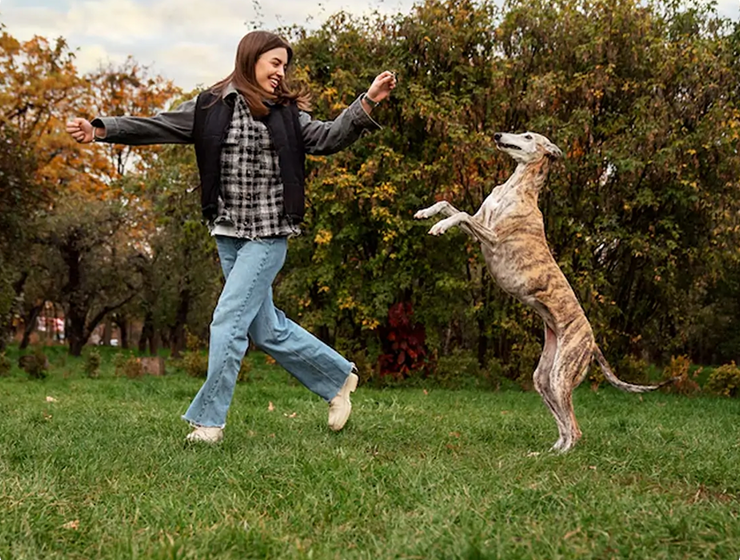
How to Make Dog Training More Effective
You can support your dog’s progress with a few simple habits:
- Keep sessions short and focused.
- Practice consistently.
- Reward behaviors you want to see again.
- Use clear and simple commands.
- Avoid expecting too much too quickly.
- Practice in different environments.
- Be patient when your dog makes mistakes.
Remember that every dog has a different learning pace. Progress matters more than speed.
Final Thoughts
So, How Long Does Dog Training Take? There is no exact answer for every dog. Basic skills may develop within weeks, while advanced obedience or behavior training can require months of consistent work. The best approach is to set realistic goals, practice regularly, and celebrate gradual progress.
If you are looking for dog trainers in West Palm Beach or professional support for your dog, All Dogs Rock can help you build a practical training routine based on your dog’s individual needs. With patience, consistency, and the right guidance, training can become a positive part of everyday life.
Frequently Asked Questions
What is the best age to start dog training?
Training can begin when a puppy comes home, as long as the lessons are age-appropriate. Early training can help puppies learn basic manners, communication, and household routines. Adult dogs can also learn new skills and improve existing behaviors.
How long does it take to train a puppy?
The timeline varies depending on the puppy and the skills being taught. Basic commands may develop within a few weeks, while potty training, socialization, leash skills, and reliable obedience can take longer. Consistent daily practice can help support steady progress.
Can you train a dog in 30 days?
A dog can learn several basic skills in 30 days with consistent practice, but complete training usually takes longer. The results depend on the dog’s age, experience, behavior, and training goals. A 30-day period can be a useful starting point for building good habits.
When will I see results from dog training?
Some owners notice small improvements after a few training sessions, while more complex behaviors may take several weeks or months. Results depend on consistency, the dog’s learning style, and the behavior being addressed. Regular practice can help maintain progress.
How long should dog training sessions be?
Training sessions should generally be short enough to keep your dog focused and engaged. The ideal length depends on the dog’s age, attention span, and training experience. Several short sessions can often be more effective than one long session.