
How Long Does Dog Training Take

How Long Does Dog Training Take? Timeline, Tips & What to Expect

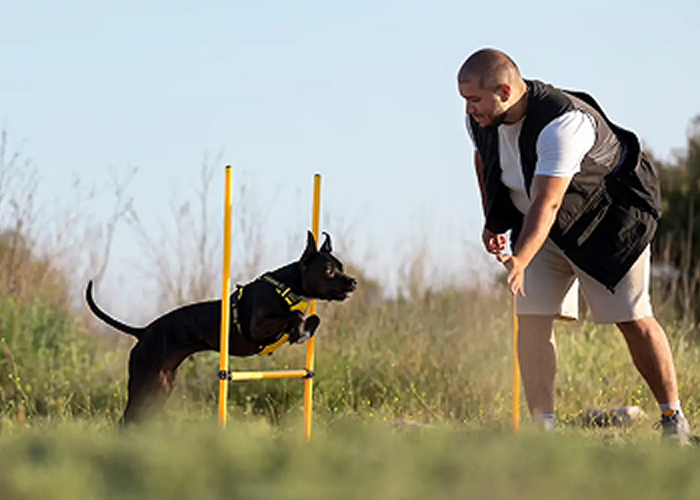
If you are thinking about training your dog, one of the first questions you may have is, “How Long Does Dog Training Take?” The answer depends on your dog’s age, personality, training goals, and how consistently you practice at home. Some dogs learn basic commands within a few weeks, while more challenging behaviors can take several months. Dog training is not about reaching a perfect finish line. It is about building good habits through regular practice, patience, and positive communication.

For pet owners looking for dog training West Palm Beach FL, understanding the typical training timeline can help you set realistic expectations and choose the right training approach.
Best Age to Start Puppy Training

How Long Does It Take to Train a Dog?

There is no single timeline that works for every dog. A dog learning basic commands may show progress in a few weeks, while obedience or behavior problems may require longer training.

Factors that can affect training time include:

  • Your dog’s age
  • Previous training experience
  • Personality and temperament
  • The behavior you want to change
  • How often you practice
  • The training methods being used
  • Your dog’s environment

For example, teaching a dog to sit or stay may be relatively quick. Teaching reliable recall, loose-leash walking, or reducing unwanted behaviors can take more time.

The key is to focus on steady improvement rather than expecting instant results.

How Long Does Dog Obedience Training Take?

Many owners ask how long does dog obedience training take because they want their dogs to respond reliably to everyday commands.

Basic obedience training may include:

  • Sit
  • Stay
  • Come
  • Down
  • Leave it
  • Place
  • Walking politely on a leash

Some dogs may learn the basics within several weeks with regular practice. However, learning a command and consistently following it in different situations are two different things.

A dog might sit perfectly at home but struggle to listen at a busy park. That is why obedience training often involves gradually practicing commands in different environments.

How Long Does Puppy Training Take?

Puppies are capable of learning from a young age, but they also have short attention spans and are still developing. When people ask how long does puppy training take, the answer depends on what you are teaching.

Puppy training can cover:

  • Potty training
  • Crate training
  • Basic commands
  • Socialization
  • Leash skills
  • Appropriate play
  • Bite inhibition
  • Household manners

Some puppy behaviors can improve quickly, while potty training and reliable manners may take longer.

Short, positive training sessions are usually easier for puppies than long sessions. The goal is to make learning enjoyable while building good habits early.

How Many Training Sessions Does a Dog Need?

There is no fixed number of sessions every dog needs. The answer to how many training sessions does a dog need depends on the dog’s goals and starting point. A dog learning basic manners may need fewer sessions than a dog dealing with significant behavior challenges.

Professional training sessions can teach you what to practice, but your work between sessions matters just as much. Dogs learn through repetition, so practicing commands regularly helps turn new skills into habits.Instead of focusing only on the number of sessions, look at your dog’s progress over time.
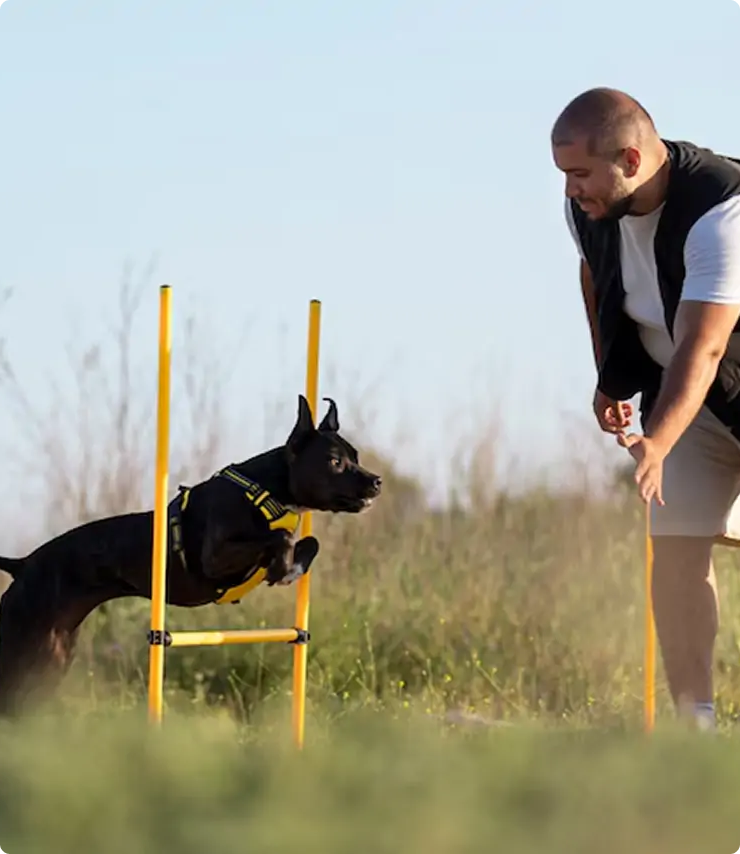
Dog Training

How Often Should You Train Your Dog?

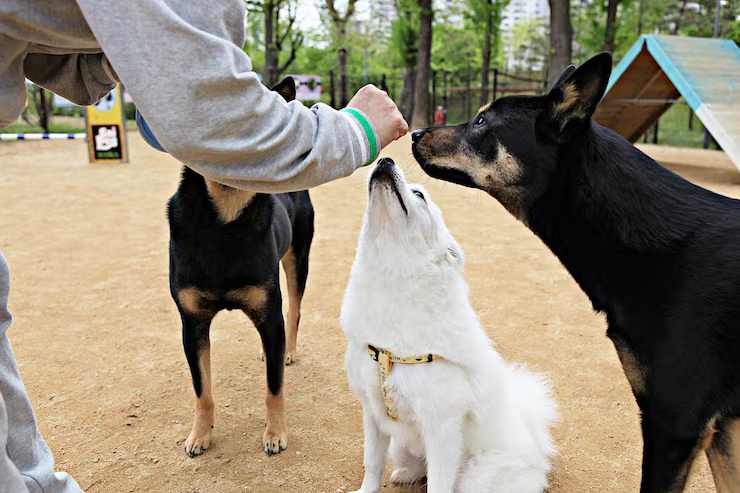
One of the most important parts of successful training is consistency. If you are wondering how often should you train your dog, short and regular practice is generally more useful than occasional long sessions.

For many dogs, several short practice sessions throughout the day can work well. You can include training in everyday activities such as:

  • Asking your dog to sit before meals
  • Practicing “stay” before opening a door
  • Rewarding calm behavior
  • Practicing leash walking during regular walks
  • Asking for a command before playtime

These small moments can make training part of your dog’s daily routine.

How Long Does Professional Dog Training Take?

Many owners choose professional support when they want guidance or need help with specific behaviors. So, how long does professional dog training take? It depends on the dog’s needs and the goals of the training program. Professional training may focus on basic obedience, puppy development, leash manners, household behavior, or more complex challenges.

A professional trainer can assess your dog’s current behavior and create a training plan based on your goals. However, professional sessions are only one part of the process. Consistent practice at home can make a major difference. If you are searching for professional dog training near me, look for a trainer who explains the process clearly and gives you practical skills you can continue using at home.

How Long Does Behavior Training Take for Dogs?

Behavior training can take longer when a dog has developed habits such as excessive jumping, barking, leash pulling, fear, or difficulty responding around distractions. The question how long does behavior training take for dogs does not have one universal answer. Some behaviors may improve within weeks, while others require longer-term management and practice.

The most important thing is to identify the cause of the behavior and use an appropriate training plan. Progress may happen gradually, and setbacks can sometimes occur. Patience and consistency are important throughout the process.

Dog Training in West Palm Beach

For local pet owners, finding the right support can make training easier and more structured. If you are searching for dog trainers in West Palm Beach, All Dogs Rock provides dog training support designed around individual dog and owner needs. Whether you are working with a young puppy or an adult dog, training can help improve communication, manners, and everyday life.

For pet owners searching for dog training West Palm Beach FL or professional dog training near me, choosing a local trainer can also make it easier to receive ongoing guidance and practice skills in familiar surroundings.

What Can Affect Your Dog’s Training Timeline?

Every dog learns differently. Several factors can influence how quickly your dog progresses.

Age

Puppies are learning basic life skills, while adult dogs may already have established habits. Both can learn, but their training needs may be different.

Consistency

Regular practice helps reinforce what your dog learns. Inconsistent training can make it harder for your dog to understand expectations.

Training Goals

Teaching basic commands is different from changing a long-standing behavior. More complex goals may require additional time.

Environment

Dogs may behave differently at home, on walks, around other dogs, or in busy public spaces. Training should gradually include different environments.

Owner Involvement

Training works best when owners understand how to reinforce the desired behavior. Your participation outside professional sessions is an important part of the process.
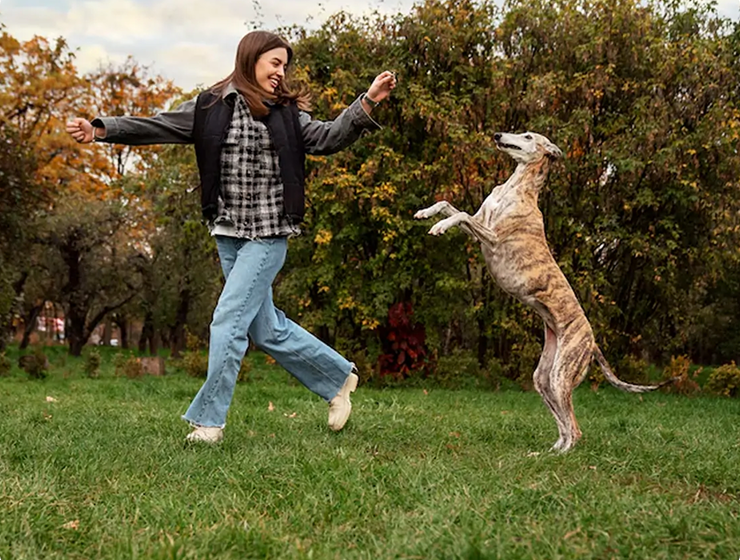
Dog Training

How to Make Dog Training More Effective

You can support your dog’s progress with a few simple habits:

  • Keep sessions short and focused.
  • Practice consistently.
  • Reward behaviors you want to see again.
  • Use clear and simple commands.
  • Avoid expecting too much too quickly.
  • Practice in different environments.
  • Be patient when your dog makes mistakes.

Remember that every dog has a different learning pace. Progress matters more than speed.

Final Thoughts

So, How Long Does Dog Training Take? There is no exact answer for every dog. Basic skills may develop within weeks, while advanced obedience or behavior training can require months of consistent work. The best approach is to set realistic goals, practice regularly, and celebrate gradual progress.

If you are looking for dog trainers in West Palm Beach or professional support for your dog, All Dogs Rock can help you build a practical training routine based on your dog’s individual needs. With patience, consistency, and the right guidance, training can become a positive part of everyday life.

Frequently Asked Questions

What is the best age to start dog training?

Training can begin when a puppy comes home, as long as the lessons are age-appropriate. Early training can help puppies learn basic manners, communication, and household routines. Adult dogs can also learn new skills and improve existing behaviors.

How long does it take to train a puppy?

The timeline varies depending on the puppy and the skills being taught. Basic commands may develop within a few weeks, while potty training, socialization, leash skills, and reliable obedience can take longer. Consistent daily practice can help support steady progress.

Can you train a dog in 30 days?

A dog can learn several basic skills in 30 days with consistent practice, but complete training usually takes longer. The results depend on the dog’s age, experience, behavior, and training goals. A 30-day period can be a useful starting point for building good habits.

When will I see results from dog training?

Some owners notice small improvements after a few training sessions, while more complex behaviors may take several weeks or months. Results depend on consistency, the dog’s learning style, and the behavior being addressed. Regular practice can help maintain progress.

How long should dog training sessions be?

Training sessions should generally be short enough to keep your dog focused and engaged. The ideal length depends on the dog’s age, attention span, and training experience. Several short sessions can often be more effective than one long session.

Best Age to Start Puppy Training

Best Age to Start Puppy Training: A Complete Age-by-Age Guide

Bringing home a puppy is exciting, but it also comes with many questions. One of the most common questions new dog owners ask is, “What is the best age to start puppy training?” The good news is that puppies can begin learning from a very young age. Training does not have to mean long or difficult sessions. Simple commands, good manners, socialization, and routines can all be introduced early. Starting at the right time helps your puppy build confidence and develop positive habits that can last a lifetime.

For families in West Palm Beach, working with an experienced puppy trainer can also make the process easier and more enjoyable.

Dog Training

What Is the Best Age to Start Puppy Training?

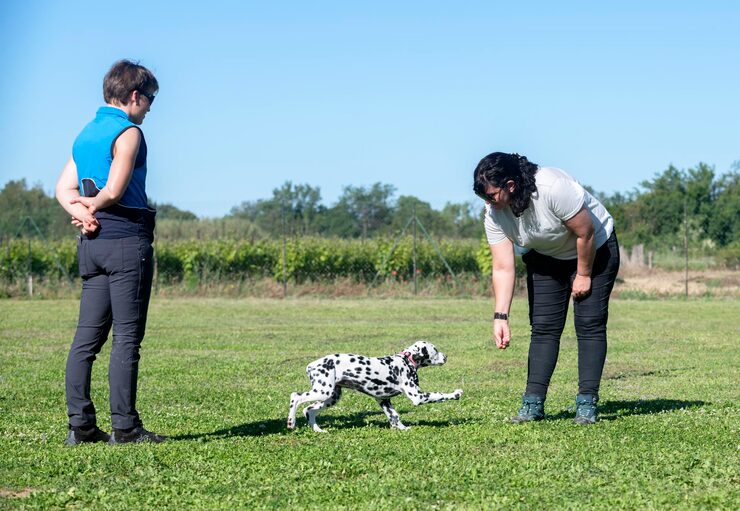
The best age to start puppy training is generally around 8 weeks old, when many puppies go to their new homes. At this age, puppies are curious and ready to learn through short, positive experiences.

Training should be gentle and age-appropriate. Young puppies have short attention spans, so sessions may only need to last a few minutes.

Early training can focus on:

  • Learning their name
  • Responding to simple cues
  • Potty training
  • Getting comfortable with a crate
  • Learning appropriate play
  • Handling and grooming
  • Meeting people and experiencing new environments

The goal is not to expect perfect obedience immediately. Instead, early training helps your puppy understand what behaviors are encouraged.

When to Start Puppy Training

Many owners wonder when to start puppy training because they are concerned their puppy is too young. In most cases, waiting is unnecessary. You can begin simple training as soon as your puppy comes home, provided the activities are appropriate for their age and development.

At first, keep training sessions short and positive. Reward your puppy when they do something correctly. Treats, praise, toys, and attention can all help reinforce good behavior. Consistency is also important. If everyone in your household uses the same commands and rules, your puppy will have an easier time understanding what is expected.

Ideal Age to Train a Puppy: An Age-by-Age Guide

Understanding puppy training milestones by age can help you set realistic expectations.

8–10 Weeks: Start With the Basics

This is an excellent time to introduce your puppy to their new routine.

Focus on:

  • Name recognition
  • Potty training
  • Crate introduction
  • Gentle handling
  • Basic recall
  • Simple commands such as “sit”
  • Safe exposure to everyday sounds and experiences

Keep sessions short. Puppies at this age learn best through repetition, patience, and positive reinforcement.

10–12 Weeks: Build Good Habits

As your puppy becomes more comfortable at home, you can gradually introduce more structure.

This is a good time to work on:

  • Sit
  • Come
  • Stay
  • Leave it
  • Leash introduction
  • Calm greetings
  • Appropriate chewing
  • Basic household manners

Your puppy may still become distracted easily. That is normal. Focus on progress rather than perfection.

3–6 Months: Develop Obedience

Between three and six months, many puppies can handle more structured puppy obedience training. You can gradually increase the difficulty of training while continuing to use rewards and encouragement.

Training may include:

  • Loose-leash walking
  • Reliable recall
  • Longer stays
  • Impulse control
  • Better greetings
  • Place or settle training
  • Improved focus around distractions

This stage can also be helpful for addressing unwanted habits before they become more difficult to manage.

Leash Training


6 Months and Beyond: Reinforce and Maintain

Training does not stop when your puppy reaches six months. Dogs continue learning throughout their lives. At this stage, you can continue practicing obedience while adding more distractions and real-world situations.

Regular practice helps your dog remember previously learned behaviors and respond more reliably in different environments.

When Should Puppies Start Training and Socialization?

Training and socialization are closely connected, but they are not exactly the same. Puppy socialization age begins very early. Puppies benefit from safe, positive exposure to different people, sounds, surfaces, environments, and appropriate dogs.

The key is to make new experiences positive and suitable for your puppy’s age and health needs. Your veterinarian can help you understand which public environments and dog interactions are appropriate based on your puppy’s vaccination status.

Socialization should not mean overwhelming your puppy. If your puppy appears frightened or stressed, give them space and slow things down. A confident puppy learns more easily because they are better able to focus on their owner instead of constantly feeling unsure about their surroundings.

How to Start Training a Puppy at Home

If you are wondering how to start training a puppy, begin with simple goals.

1. Choose a Quiet Training Area

Start somewhere with limited distractions. Once your puppy understands a behavior, you can gradually practice it in busier environments.

2. Use Simple Commands

Choose short, consistent words such as “sit,” “come,” “stay,” and “leave it.” Avoid constantly changing the words you use.

3. Reward Good Behavior

Reward your puppy immediately when they perform the desired behavior. This helps them understand which action earned the reward.

4. Keep Sessions Short

Several short sessions can be more effective than one long session. Puppies can lose focus quickly.
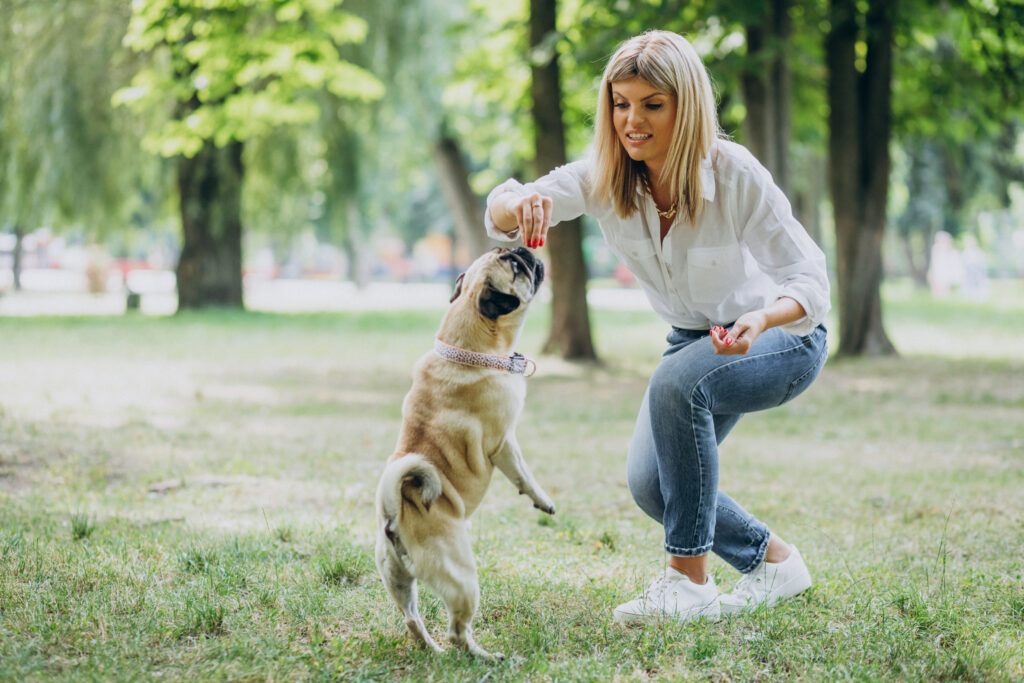
5. Practice Every Day

Regular practice helps turn training into a routine. Even a few minutes at a time can make a difference when you are consistent.

Best Age for Puppy Obedience Training

There is no single age when obedience training suddenly becomes effective. Instead, obedience should develop gradually as your puppy grows. Early training establishes the basics, while continued practice improves reliability.

Professional puppy behavior training can also be helpful if your puppy is struggling with issues such as excessive biting, jumping, fear, barking, leash pulling, or difficulty settling. A professional trainer can help identify what may be contributing to the behavior and create a training approach suited to your puppy.

Puppy Training

Why Professional Puppy Training Can Help

Training a puppy can be rewarding, but it can also feel challenging for new owners. Professional guidance can provide structure and help you avoid common training mistakes. If you are searching for Puppy Training Near Me in West Palm Beach, look for a trainer who uses clear communication, positive training methods, age-appropriate exercises, and practical guidance for everyday situations.

At All Dogs Rock, puppy training can help owners build better communication with their dogs while developing useful skills and positive habits. Working with a professional Puppy Trainer West Palm Beach families can rely on may be especially useful when you want personalized guidance rather than trying to solve every training challenge on your own.

What If You Start Training Your Puppy Later?

Do not panic if your puppy is older and has not received formal training yet. Dogs can learn at many different ages. While starting early can help establish good habits, an older puppy or young dog can still learn obedience, manners, social skills, and new routines.

The important thing is to start with realistic goals and remain consistent. Avoid comparing your puppy with other dogs. Every puppy learns at a different pace.

Final Thoughts

The best age to start puppy training is usually around eight weeks, when puppies are ready to begin learning simple behaviors and routines. However, training is a continuing process rather than something you complete at a specific age. Start with basic skills, introduce safe socialization, reward positive behavior, and gradually increase the difficulty of training as your puppy grows.

Whether you are teaching your puppy at home or looking for professional puppy training near me, patience and consistency are key. With the right guidance, your puppy can develop the skills and confidence needed to become a well-mannered family companion. For puppy owners in West Palm Beach, All Dogs Rock can be a resource for building a stronger relationship between you and your dog through structured training and practical guidance.

Frequently Asked Questions

What is the best age to start puppy training?

Around 8 weeks is a good time to begin basic puppy training. Start with simple behaviors such as name recognition, potty routines, crate introduction, and basic commands. Keep sessions short, positive, and appropriate for the puppy’s age.

Can I train my puppy at 8 weeks old?

Yes. An 8-week-old puppy can begin learning simple behaviors and household routines. Training should be gentle and use positive reinforcement. At this age, focus on building good habits rather than expecting perfect obedience.

When should puppies start obedience training?

Puppies can begin basic obedience training as soon as they come home. Simple commands can be introduced early and gradually developed as the puppy grows. More structured obedience work can be added as the puppy becomes more mature.

What is the best age for puppy socialization?

Puppy socialization should begin early and continue as the puppy grows. Introduce your puppy to appropriate people, sounds, surfaces, and environments in safe and positive ways. Ask your veterinarian about appropriate public exposure based on your puppy’s health and vaccination status.

Can an older puppy still be trained?

Yes. It is never too late to teach a dog new behaviors. Older puppies can learn obedience, manners, leash skills, and better behavior with consistent training. Professional guidance can be useful when unwanted habits have already developed.

Dog Boarding vs Dog Hotel West Palm Beach

Dog Boarding vs Dog Hotel West Palm Beach: Which Is Right for Your Dog?

When you need to leave your dog for a few hours, overnight, or several days, choosing the right care option matters. Many pet parents search for Dog Boarding vs Dog Hotel West Palm Beach because they want to understand the difference before making a decision.

Both dog boarding and dog hotels can provide a safe place for your pet while you are traveling, working, or away from home. However, the services, environment, activities, and level of personalized care can vary.

At All Dogs Rock, we understand that every dog has different needs. This guide explains the difference between dog boarding and dog hotels so you can choose an option that fits your dog’s comfort, routine, and personality.

Dog for Boarding

What Is Dog Boarding?

Dog boarding is a service where your dog stays at a professional facility while you are away. Depending on the facility, boarding may include overnight accommodation, feeding, exercise, supervised play, and basic care.

For pet parents looking for dog boarding West Palm Beach, it is important to ask what services are included before booking. Some facilities provide simple overnight accommodations, while others offer additional activities and personalized attention.

What Is Included in Dog Boarding?

Dog boarding services can vary, but common features may include:

  • A designated sleeping area
  • Regular meals according to your instructions
  • Potty breaks
  • Exercise and supervised activities
  • Staff supervision
  • Overnight care
  • Basic medication support when available

If you are searching for overnight dog boarding West Palm Beach, look for a facility that provides a clean environment, trained staff, proper supervision, and a routine that works for your dog.

What Is a Dog Hotel?

A dog hotel is generally designed to provide a more comfortable and experience-focused stay for dogs. Think of it as accommodation created specifically for pets. A dog hotel West Palm Beach may offer private sleeping spaces, play areas, enrichment activities, extra attention, and other upgraded services. The exact experience depends on the facility.

Some pet parents choose a dog hotel because their dogs enjoy more activities and interaction during their stay.

What Does a Dog Hotel Include?

Depending on the facility, a dog hotel may include:

  • Comfortable sleeping areas
  • Supervised playtime
  • Exercise and enrichment
  • Individual attention
  • Feeding according to your dog’s routine
  • Regular potty breaks
  • Additional care options
  • Longer or customized activity sessions

If you are researching a dog hotel in West Palm Beach FL, ask about the daily schedule, sleeping arrangements, supervision, exercise, and additional services.

Dog Boarding vs Dog Hotel: What Is the Difference?

The biggest difference between dog boarding and dog hotel is often the level of accommodation and services offered. Traditional boarding may focus primarily on safe overnight care, feeding, exercise, and supervision. A dog hotel may provide a more customized stay with additional activities and comfort-focused services.

However, there is no universal industry standard separating the two terms. One facility may call itself a dog hotel while offering services similar to boarding, while another may offer premium boarding with hotel-style amenities. That is why it is better to compare the actual services rather than relying only on the name.

Dog Boarding vs Pet Hotel: Which One Should You Consider?

The choice between dog boarding vs pet hotel depends on your dog’s needs and your expectations. Dog boarding may be a practical choice if your main priorities are safe overnight accommodation, feeding, exercise, and supervision.

A pet hotel may be appealing if you want additional comfort, enrichment, playtime, or personalized attention. Before choosing, consider your dog’s age, energy level, temperament, social behavior, daily routine, and any special care requirements.

Dog Boarding vs Dog Hotel

Comparing Dog Boarding and Dog Hotels

Feature Dog Boarding Dog Hotel
Overnight stay Usually available Usually available
Feeding Usually included Usually included
Potty breaks Common Common
Exercise Facility dependent Facility dependent
Playtime May be available Often offered
Enrichment Depends on facility May offer additional options
Personalized attention Varies May offer more options
Accommodation Basic to comfortable Basic to premium
Extra services Facility dependent Often more service options

The services can vary significantly between facilities, so always confirm what is included before making a reservation.

Choosing Dog Boarding Near Me in West Palm Beach

When searching for dog boarding near me, convenience is important, but it should not be your only consideration. Look for a facility that provides a clean and secure environment. Ask how dogs are supervised throughout the day and night. Find out how exercise and playtime are handled and whether dogs are separated based on size, temperament, or activity level when appropriate.

It is also helpful to ask about feeding schedules, emergency procedures, staff availability, and requirements for vaccinations. For pet parents comparing dog boarding facilities West Palm Beach, visiting the facility beforehand can help you understand the environment and ask questions directly.

Choosing a Dog Hotel Near Me

If you are searching for a dog hotel near me, start by identifying what your dog actually needs. For example, an active dog may benefit from regular exercise and supervised play. A senior dog may need a quieter environment and a more relaxed schedule. A dog that is nervous in new surroundings may benefit from predictable routines and individualized attention.

Ask the facility:

  • Where will my dog sleep?
  • How often will my dog exercise?
  • Is playtime supervised?
  • How are dogs grouped?
  • What happens during an emergency?
  • Can you follow my dog’s feeding routine?
  • Are additional care services available?

Clear answers can make the decision much easier.

Luxury Dog Boarding West Palm Beach: Is It Worth It?

Some pet parents specifically look for luxury dog boarding West Palm Beach because they want additional comfort and services. Luxury boarding may include upgraded sleeping areas, additional playtime, enrichment, individual attention, grooming, or other optional services.

Whether these extras are useful depends on your dog. A dog that enjoys extra activities may benefit from additional enrichment, while another dog may simply prefer a calm and familiar routine. The most important factor is not how luxurious a facility sounds. It is whether the environment is safe, clean, supervised, and suitable for your dog.

How Much Does Dog Boarding Cost in West Palm Beach?

The question “how much does dog boarding cost in West Palm Beach?” does not have one fixed answer. Prices can vary based on the facility, length of stay, type of accommodation, number of dogs, services included, and additional care requirements.

Basic boarding may have a different price from premium or luxury accommodations. Additional services such as grooming, extended playtime, or specialized care may also affect the final cost. Instead of choosing based only on price, compare what is included in the boarding package.

How to Socialize a Puppy

How Much Does a Dog Hotel Cost in West Palm Beach?

The answer to “how much does a dog hotel cost in West Palm Beach?” also depends on the services and accommodation selected. A dog hotel with private accommodations and additional activities may cost more than basic overnight boarding. Before booking, ask for a complete price breakdown and check whether meals, exercise, playtime, and other services are included.

This helps you avoid unexpected charges and makes it easier to compare different options.

Why Choose All Dogs Rock in West Palm Beach?

At All Dogs Rock, we understand that leaving your dog with someone else can be a big decision. Our goal is to provide a comfortable and caring environment where dogs can follow a routine while their families are away.

Whether you are looking for pet boarding West Palm Beach or comparing different care options, take time to understand your dog’s needs first. A good boarding experience should give you peace of mind while helping your dog feel comfortable, safe, and cared for.

Final Thoughts

When comparing Dog Boarding vs Dog Hotel West Palm Beach, focus on the actual care your dog will receive rather than the name of the service. Look at accommodation, supervision, exercise, playtime, feeding, cleanliness, staff experience, and emergency procedures. Consider your dog’s personality and daily routine as well.

Whether you choose traditional boarding or a hotel-style stay, the right facility should provide a safe and comfortable experience for your dog. If you are looking for dog care in West Palm Beach, All Dogs Rock can help you explore an option that fits your dog’s needs.

Frequently Asked Questions

What is the difference between dog boarding and dog hotel?

The difference between dog boarding and dog hotel usually relates to the accommodation and services offered. Boarding often focuses on overnight care, while a dog hotel may offer additional comfort, activities, and personalized services. However, services vary by facility.

What is included in dog boarding?

What is included in dog boarding depends on the facility. Common services include overnight accommodation, meals, potty breaks, exercise, supervision, and basic care. Always confirm the exact services before booking.

What does a dog hotel include?

Depending on the facility, it may include comfortable sleeping areas, meals, supervised play, exercise, enrichment, individual attention, and optional services. Ask for a complete list before making a reservation.

How much does dog boarding cost in West Palm Beach?

Prices vary depending on the facility, length of stay, accommodation, and additional services. Contact the facility directly for current pricing and package details.

Should I choose dog boarding or a dog hotel?

The choice depends on your dog’s personality, routine, care needs, and the services you want. Compare accommodation, supervision, exercise, activities, and pricing to find an option that matches your dog’s needs.

Dog Daycare Requirements West Palm Beach

Dog Daycare Requirements West Palm Beach: What to Know Before You Enroll

Finding the right daycare for your dog can make your daily routine easier while giving your pet a safe place to play, exercise, and socialize. But before choosing a daycare, it is important to understand the Dog Daycare Requirements West Palm Beach facilities may have for health, safety, vaccinations, behavior, and enrollment.

If you are looking for a dog daycare West Palm Beach FL pet parents can trust, knowing these requirements can help you prepare your dog and make the enrollment process smoother. At All Dogs Rock, we believe every dog deserves a safe, caring, and comfortable daycare experience.

Dog Daycare Requirements

What Are Dog Daycare Requirements?

Dog daycare requirements are the rules and conditions a daycare facility uses to make sure dogs can safely stay and interact together.

Requirements can vary between facilities, but many daycares ask for:

  • Proof of current vaccinations
  • Basic health information
  • Emergency contact details
  • A temperament or behavior evaluation
  • Information about your dog’s feeding routine
  • Medication instructions, if needed
  • Owner and veterinarian contact information

Before enrolling your dog, always ask the facility for its current requirements.

Dog Daycare Vaccination Requirements

Vaccinations are one of the most important parts of daycare safety. Since dogs spend time around other dogs, vaccination requirements help reduce the risk of contagious illnesses.

Common dog daycare vaccination requirements may include vaccinations such as:

  • Rabies
  • DHPP or other core combination vaccines
  • Bordetella
  • Other vaccines recommended by a veterinarian

The exact requirements can vary based on the facility and the dog’s age, health, and vaccination history. If you are unsure which vaccines your dog needs, speak with your veterinarian before scheduling daycare. Keep a copy of your dog’s vaccination records because the daycare may ask for them during enrollment.

Dog Daycare Health Requirements

Good health is another important part of daycare admission. A daycare may ask questions about your dog’s medical history, allergies, medications, or existing health concerns. Some facilities may also have rules about dogs showing signs of illness. For example, a dog with coughing, vomiting, diarrhea, fever, or other contagious symptoms may need to stay home until cleared to return.

These dog daycare health requirements protect your dog as well as the other pets at the facility. If your dog has a medical condition or takes regular medication, tell the daycare team before enrollment. Clear communication helps staff understand your dog’s needs.

Dog Daycare Admission Requirements

The dog daycare admission requirements may include more than vaccinations and health records.

During enrollment, you may be asked to provide:

  • Your dog’s name, age, breed, and weight
  • Your contact information
  • Emergency contact information
  • Veterinarian information
  • Vaccination records
  • Feeding instructions
  • Medication details
  • Behavioral information
  • Special care instructions

Some facilities may also ask you to complete a registration form or daycare agreement.

Providing accurate information helps the daycare team create a safer experience for your dog.

Dog for Boarding

What Does My Dog Need for Daycare?

A common question from first-time daycare customers is, “What does my dog need for daycare?” In most cases, you should be prepared with vaccination records, basic health information, and details about your dog’s routine and behavior.

You may also need to bring:

  • A properly fitted collar or harness
  • Identification information
  • Food, if your dog has a special feeding schedule
  • Medication, if approved by the daycare
  • Comfort items when permitted
  • Any special instructions from your veterinarian

Ask the daycare what items they provide and what you need to bring. Requirements can be different from one facility to another.

Puppy Daycare Requirements

Puppies often have different needs from adult dogs. Their vaccination schedules may still be in progress, and they are learning how to behave around people and other dogs. Puppy daycare requirements may include age restrictions and specific vaccination requirements. Before taking a puppy to daycare, discuss the timing with your veterinarian. Your puppy’s health and vaccination schedule should be considered before group play.

A good puppy daycare experience should also include appropriate supervision, rest periods, and opportunities for positive socialization. If you are searching for puppy daycare West Palm Beach, look for a facility that understands the unique needs of young dogs rather than treating every dog the same.

Dog Daycare Temperament Test

A dog daycare temperament test may be used to understand how a dog behaves around people and other dogs. This evaluation can help daycare staff determine whether group daycare is suitable for your pet. They may observe things such as:

  • Comfort around unfamiliar dogs
  • Reactions to people
  • Play style
  • Energy level
  • Fear or nervous behavior
  • Ability to respond to basic cues
  • Resource guarding or aggressive behavior

A temperament evaluation is not about labeling a dog as “good” or “bad.” It is about finding a safe environment where the dog can feel comfortable.

Dogs with different personalities may need different types of care. Some dogs enjoy active group play, while others may prefer quieter activities or smaller groups.

Dog Daycare Checklist

Before enrolling your dog, use this simple dog daycare checklist:

Checklist Item What to Check
Health Confirm that your dog’s vaccinations and health records are current.
Behavior Understand how your dog behaves around other dogs and unfamiliar people.
Emergency Information Provide updated contact information and veterinarian details.
Feeding Tell the daycare about your dog’s normal feeding schedule and any dietary restrictions.
Medication Share clear instructions if your dog needs medication during the day.
Routine Explain important habits, commands, or special care needs.
Facility Rules Ask about pickup times, drop-off procedures, group sizes, play areas, and rest periods.

Having this information ready can make the enrollment process much easier.

How to Choose Dog Daycare in West Palm Beach

Searching for dog daycare near me West Palm Beach can bring up many options. However, choosing a daycare should involve more than looking at location.

When comparing a local dog daycare West Palm Beach, consider:

  • Safety and supervision
  • Cleanliness
  • Staff experience
  • Dog-to-staff ratios
  • Playgroup structure
  • Rest areas
  • Emergency procedures
  • Communication with pet parents
  • Health and vaccination policies

You can also ask how the facility handles dogs with different energy levels and personalities. If you are searching for the best dog daycare West Palm Beach for your pet, focus on whether the facility’s approach matches your dog’s individual needs.

How to Socialize a Puppy

Dog Daycare Services West Palm Beach

Modern daycare facilities may offer more than supervised play. Depending on the facility, dog daycare services West Palm Beach can include structured play, socialization, exercise, feeding, rest periods, basic training, and other pet care options.

The right combination depends on your dog’s age, energy level, personality, and daily routine. At All Dogs Rock, our goal is to provide a comfortable environment where dogs can receive attention, activity, and care while their owners are busy.

Why Choose All Dogs Rock?

Choosing daycare is an important decision because you are trusting someone else with your pet. At All Dogs Rock, we understand that every dog is different. Some dogs are energetic and social, while others may need more time to become comfortable in a new environment.

Our approach focuses on safety, supervision, positive experiences, and understanding each dog’s needs. We want pet parents in West Palm Beach to feel confident about the care their dogs receive. Whether you have an adult dog or are exploring puppy daycare West Palm Beach, taking time to understand the daycare’s policies can help you make a more informed decision.

Prepare Your Dog Before the First Day

A little preparation can make your dog’s first daycare visit easier. Start by making sure your dog’s health records are updated. Share important information about feeding, behavior, allergies, medications, and routines.

It can also help to introduce your dog to new people and safe social situations gradually. If your dog is nervous, talk with the daycare team about ways to make the transition more comfortable. Most importantly, be honest about your dog’s behavior and needs. Accurate information allows the staff to provide appropriate care.

Final Thoughts

Understanding Dog Daycare Requirements West Palm Beach can help you prepare your pet before enrollment and avoid surprises during the admission process. From vaccination records and health requirements to temperament evaluations and puppy-specific needs, each part of the process plays a role in creating a safe daycare environment.

If you are searching for dog daycare West Palm Beach FL, take time to compare facilities, ask questions, and choose a daycare that understands your dog’s individual needs. For pet parents looking for caring and professional daycare services in West Palm Beach, All Dogs Rock is here to help.

Frequently Asked Questions

What are the basic dog daycare requirements?

Most facilities require current vaccination records, basic health information, emergency contact details, and information about the dog’s behavior. Some may also require a temperament evaluation before accepting a dog.

What vaccinations does my dog need for daycare?

Common requirements may include rabies, DHPP, and Bordetella vaccinations. Requirements can vary by facility, so check with the daycare and your veterinarian before enrollment.

What does my dog need for daycare?

Your dog may need vaccination records, health information, emergency contacts, feeding instructions, and medication details. Some facilities may also ask you to bring food or specific equipment.

Do puppies have different daycare requirements?

Yes. Puppies may have different vaccination, age, and socialization requirements. Always discuss your puppy’s daycare readiness with your veterinarian and the daycare facility before enrollment.

Why does a dog daycare require a temperament test?

A temperament test can help staff understand how a dog responds to people, other dogs, new environments, and different play situations. It helps the facility determine the safest and most suitable daycare arrangement for the dog.