

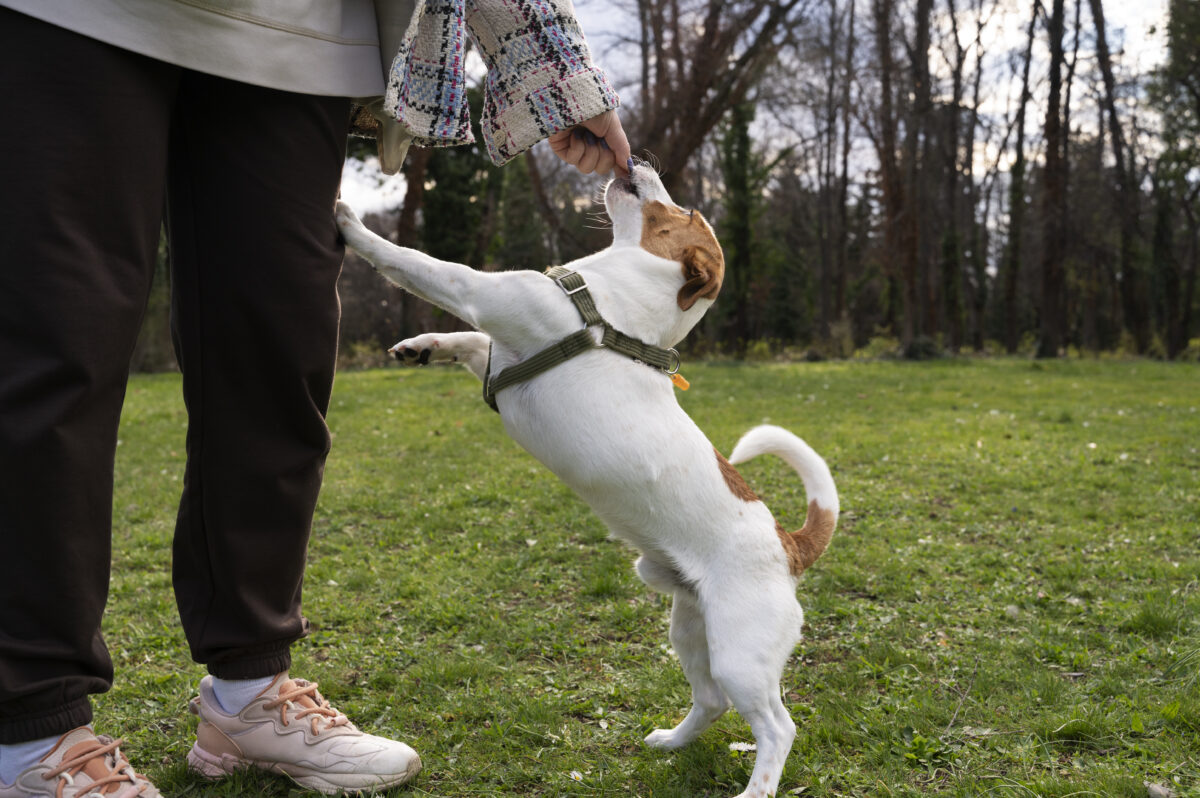
Walking your dog should be an enjoyable experience, not a daily struggle. However, many dog owners in West Palm Beach face a common problem: their dogs constantly pull on the leash during walks. Whether your dog gets excited when seeing other dogs, wants to chase birds, or simply walks too fast, leash pulling can make everyday walks stressful. Learning how to stop a dog from pulling on the leash is important for your dog’s safety and your comfort. The good news is that with patience, consistency, and the right training techniques, you can teach your dog to walk calmly beside you.
At All Dogs Rock, we understand that every dog has different behaviors and learning needs. This guide will help you understand why dogs pull and how to develop better walking habits.
Why Do Dogs Pull on the Leash?
Before starting leash training, it is important to understand why your dog pulls. Dogs do not always pull because they are disobedient. Sometimes, pulling is simply a natural behavior.
Here are some common reasons:
Excitement and Curiosity
Dogs love exploring their surroundings. New smells, people, animals, and outdoor activities can make them excited. They may pull because they want to reach something interesting.
Lack of Leash Training
Some dogs have never learned how to walk properly on a leash. Without proper guidance, they may think pulling is a normal part of walking.
Too Much Energy
Dogs that do not get enough physical activity or mental stimulation may become overly excited during walks.
Unintentional Rewards
If you continue walking while your dog pulls, your dog learns that pulling helps them reach their destination faster. This can turn into a repeated habit.
How to Stop a Dog From Pulling on the Leash
Teaching your dog to walk calmly requires regular practice. Here are some simple and effective techniques you can use.
1. Choose the Right Leash and Harness
The right walking equipment can make training easier. A standard leash that is around four to six feet long gives you better control while allowing your dog some freedom. A comfortable, properly fitted harness may also help manage pulling. Avoid equipment that causes pain or discomfort. Your dog should be able to move naturally without feeling restricted. Remember, equipment alone will not solve leash pulling. Proper training is still necessary.
2. Start Training in a Quiet Area
When beginning leash training for dogs, choose a calm place with fewer distractions. Your backyard or a quiet outdoor space can be a good starting point. Allow your dog to become comfortable wearing the leash. Start with short walking sessions and reward calm behavior. Once your dog understands the basics, slowly introduce busier environments.
3. Reward Your Dog for Walking Beside You
Positive reinforcement is one of the best ways to teach good walking habits. Whenever your dog walks beside you without pulling, offer a small treat, praise, or encouragement.
Follow these simple steps:
- Keep your dog on a comfortable, loose leash.
- Reward your dog when they stay near you.
- Use a consistent verbal cue such as “heel” or “let’s go.”
- Repeat the exercise during every walk.
Over time, your dog will understand that walking calmly brings positive rewards.
4. Stop Walking When Your Dog Pulls
One effective method for improving dog leash manners is to stop moving whenever your dog starts pulling.
When the leash becomes tight, stop walking. Wait until your dog turns toward you or moves closer and the leash becomes loose. Then continue walking. This teaches your dog that pulling does not help them move forward. Be patient because your dog may need several practice sessions to understand this technique.
5. Change Direction When Needed
If your dog constantly pulls in one direction, try changing your walking direction. When your dog moves ahead and tightens the leash, gently turn and walk in another direction. Reward your dog when they follow you and return to a loose leash. This exercise teaches your dog to pay attention to your movements instead of focusing only on what is ahead.
How to Train a Dog to Walk on a Leash Around Distractions
Training at home is usually easier than training outside. Once your dog becomes comfortable walking on a loose leash, gradually introduce distractions. Start with areas where there are a few people or other dogs. Reward your dog for staying calm and paying attention to you. In West Palm Beach, outdoor environments can offer many distractions, including other dogs, cyclists, wildlife, and busy sidewalks.
Try these helpful tips:
- Maintain a comfortable distance from distractions.
- Carry small treats during walks.
- Practice basic commands such as “sit,” “stay,” and “come.”
- Reward calm behavior instead of waiting for mistakes.
- Keep training sessions short and positive.
If your dog becomes too excited, increase the distance from the distraction and try again.
What Is Loose Leash Walking?
Loose leash walking means your dog walks beside you or within a comfortable distance without constantly pulling the leash tight. Your dog does not need to stay perfectly beside you throughout the entire walk. The main goal is to maintain a relaxed leash while allowing safe exploration.
Loose leash walking makes daily walks more enjoyable and helps improve communication between you and your dog. With regular practice, your dog can learn when it is time to walk calmly and when it is appropriate to explore and sniff.
Common Leash Training Mistakes to Avoid
Even caring dog owners can make mistakes during training. Avoiding these common problems can help your dog learn faster.
- Being Inconsistent: If you allow pulling sometimes but correct it at other times, your dog may become confused.
- Pulling the Leash Back: Constantly pulling your dog in the opposite direction can create frustration. Instead, stop, redirect, and reward better behavior.
- Training for Too Long: Long sessions can make dogs tired or distracted. Begin with short sessions and gradually increase the time.
- Ignoring Good Behavior: Always reward your dog when they walk calmly. Positive feedback helps reinforce the behavior you want.
- Expecting Immediate Results: Every dog learns at a different pace. Some dogs need more time, repetition, and professional guidance.
When Should You Consider Professional Dog Training?
Sometimes, leash pulling can be difficult to manage without professional help. This is especially true when your dog pulls aggressively, lunges at other dogs, reacts strongly to people, or becomes difficult to control.
Professional training can help identify the reason behind your dog’s behavior and create a suitable training plan.
At All Dogs Rock, dog owners in West Palm Beach can explore professional training support to improve obedience, walking habits, and everyday behavior. With proper guidance and consistent practice, your dog can develop better leash manners and become a more confident walking companion.
Conclusion
Learning how to stop a dog from pulling on the leash takes time, patience, and consistency. Start with the right equipment, practice in quiet areas, reward good behavior, and gradually introduce distractions.
Remember that every dog is different. Focus on building positive habits instead of expecting perfect results overnight.
If you need additional support, All Dogs Rock can help you work toward better dog behavior and more enjoyable walks in West Palm Beach. A well-trained dog makes every walk a happier experience!
Frequently Asked Questions
How do I stop my dog from pulling on the leash?
Stop walking whenever your dog pulls. Wait for the leash to become loose, then continue walking. Reward your dog with treats and praise whenever they walk calmly beside you.
How long does it take to leash train a dog?
Leash training can take several weeks or longer, depending on your dog’s age, personality, previous training, and behavior. Daily practice and positive reinforcement help improve results.
What is the best way to train a dog to walk on a leash?
Start in a quiet area, use a comfortable leash or harness, and reward your dog for staying near you. Gradually introduce distractions as your dog becomes more confident.
Should I stop walking when my dog pulls?
Yes. Stopping when your dog pulls teaches them that a tight leash does not help them move forward. Continue walking once the leash becomes loose.
Can professional dog training help with leash pulling?
Yes. Professional dog training can help identify the reasons behind leash pulling and teach dogs better walking habits through structured exercises and positive reinforcement.