

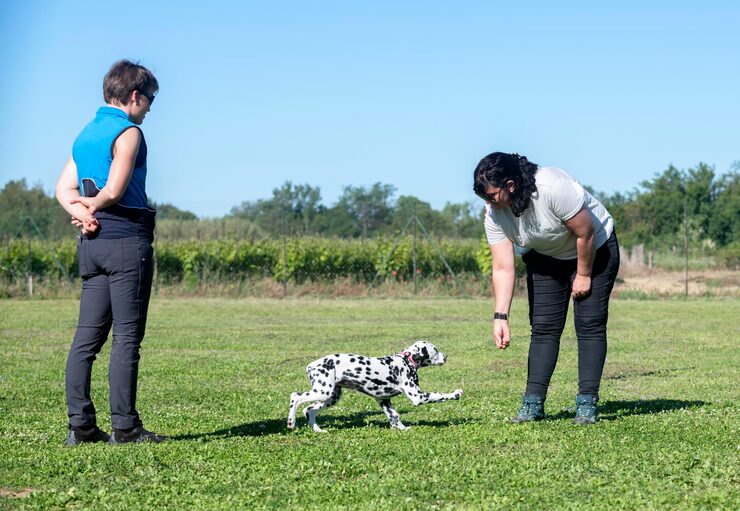
Bringing home a puppy is exciting, but it also comes with many questions. One of the most common questions new dog owners ask is, “What is the best age to start puppy training?” The good news is that puppies can begin learning from a very young age. Training does not have to mean long or difficult sessions. Simple commands, good manners, socialization, and routines can all be introduced early. Starting at the right time helps your puppy build confidence and develop positive habits that can last a lifetime.
For families in West Palm Beach, working with an experienced puppy trainer can also make the process easier and more enjoyable.
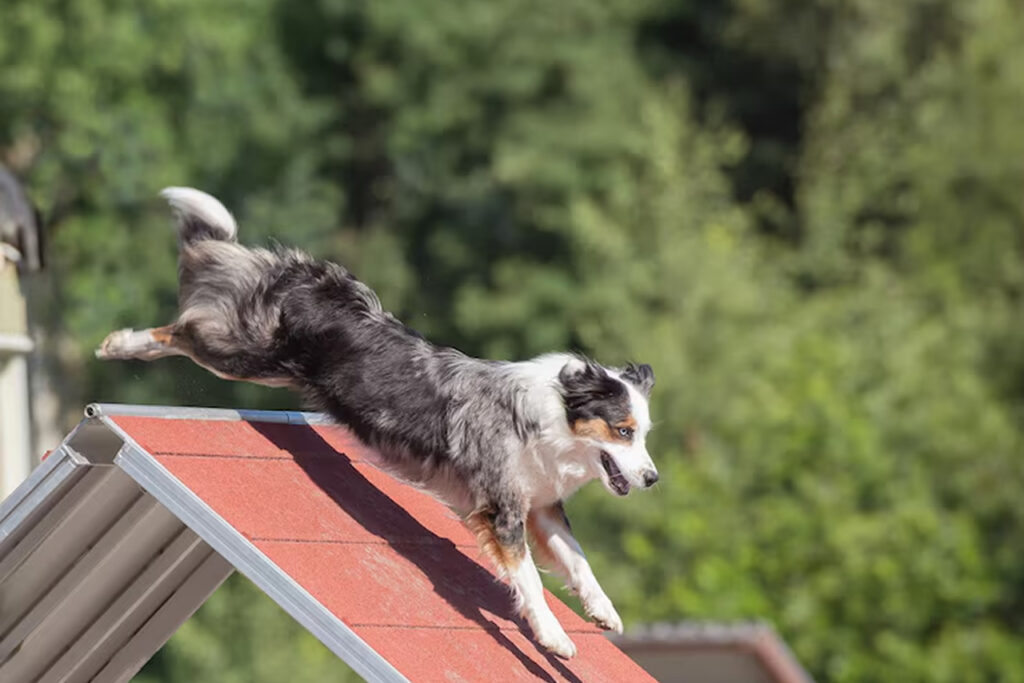
What Is the Best Age to Start Puppy Training?
The best age to start puppy training is generally around 8 weeks old, when many puppies go to their new homes. At this age, puppies are curious and ready to learn through short, positive experiences.
Training should be gentle and age-appropriate. Young puppies have short attention spans, so sessions may only need to last a few minutes.
Early training can focus on:
- Learning their name
- Responding to simple cues
- Potty training
- Getting comfortable with a crate
- Learning appropriate play
- Handling and grooming
- Meeting people and experiencing new environments
The goal is not to expect perfect obedience immediately. Instead, early training helps your puppy understand what behaviors are encouraged.
When to Start Puppy Training
Many owners wonder when to start puppy training because they are concerned their puppy is too young. In most cases, waiting is unnecessary. You can begin simple training as soon as your puppy comes home, provided the activities are appropriate for their age and development.
At first, keep training sessions short and positive. Reward your puppy when they do something correctly. Treats, praise, toys, and attention can all help reinforce good behavior. Consistency is also important. If everyone in your household uses the same commands and rules, your puppy will have an easier time understanding what is expected.
Ideal Age to Train a Puppy: An Age-by-Age Guide
Understanding puppy training milestones by age can help you set realistic expectations.
8–10 Weeks: Start With the Basics
This is an excellent time to introduce your puppy to their new routine.
Focus on:
- Name recognition
- Potty training
- Crate introduction
- Gentle handling
- Basic recall
- Simple commands such as “sit”
- Safe exposure to everyday sounds and experiences
Keep sessions short. Puppies at this age learn best through repetition, patience, and positive reinforcement.
10–12 Weeks: Build Good Habits
As your puppy becomes more comfortable at home, you can gradually introduce more structure.
This is a good time to work on:
- Sit
- Come
- Stay
- Leave it
- Leash introduction
- Calm greetings
- Appropriate chewing
- Basic household manners
Your puppy may still become distracted easily. That is normal. Focus on progress rather than perfection.
3–6 Months: Develop Obedience
Between three and six months, many puppies can handle more structured puppy obedience training. You can gradually increase the difficulty of training while continuing to use rewards and encouragement.
Training may include:
- Loose-leash walking
- Reliable recall
- Longer stays
- Impulse control
- Better greetings
- Place or settle training
- Improved focus around distractions
This stage can also be helpful for addressing unwanted habits before they become more difficult to manage.
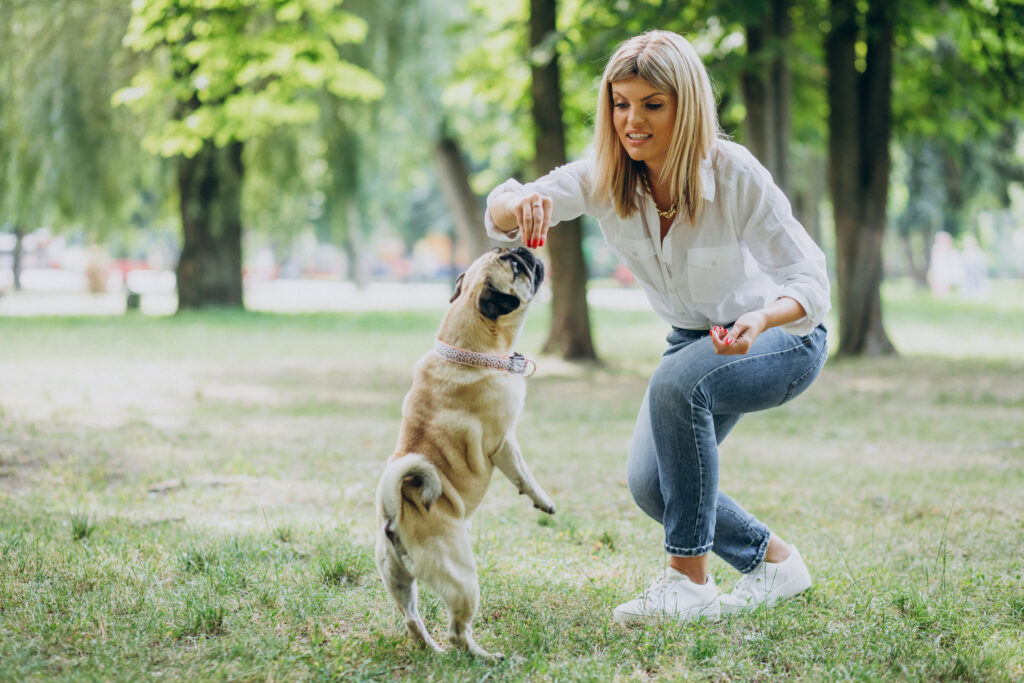
6 Months and Beyond: Reinforce and Maintain
Training does not stop when your puppy reaches six months. Dogs continue learning throughout their lives. At this stage, you can continue practicing obedience while adding more distractions and real-world situations.
Regular practice helps your dog remember previously learned behaviors and respond more reliably in different environments.
When Should Puppies Start Training and Socialization?
Training and socialization are closely connected, but they are not exactly the same. Puppy socialization age begins very early. Puppies benefit from safe, positive exposure to different people, sounds, surfaces, environments, and appropriate dogs.
The key is to make new experiences positive and suitable for your puppy’s age and health needs. Your veterinarian can help you understand which public environments and dog interactions are appropriate based on your puppy’s vaccination status.
Socialization should not mean overwhelming your puppy. If your puppy appears frightened or stressed, give them space and slow things down. A confident puppy learns more easily because they are better able to focus on their owner instead of constantly feeling unsure about their surroundings.
How to Start Training a Puppy at Home
If you are wondering how to start training a puppy, begin with simple goals.
1. Choose a Quiet Training Area
Start somewhere with limited distractions. Once your puppy understands a behavior, you can gradually practice it in busier environments.
2. Use Simple Commands
Choose short, consistent words such as “sit,” “come,” “stay,” and “leave it.” Avoid constantly changing the words you use.
3. Reward Good Behavior
Reward your puppy immediately when they perform the desired behavior. This helps them understand which action earned the reward.
4. Keep Sessions Short
Several short sessions can be more effective than one long session. Puppies can lose focus quickly.
5. Practice Every Day
Regular practice helps turn training into a routine. Even a few minutes at a time can make a difference when you are consistent.
Best Age for Puppy Obedience Training
There is no single age when obedience training suddenly becomes effective. Instead, obedience should develop gradually as your puppy grows. Early training establishes the basics, while continued practice improves reliability.
Professional puppy behavior training can also be helpful if your puppy is struggling with issues such as excessive biting, jumping, fear, barking, leash pulling, or difficulty settling. A professional trainer can help identify what may be contributing to the behavior and create a training approach suited to your puppy.
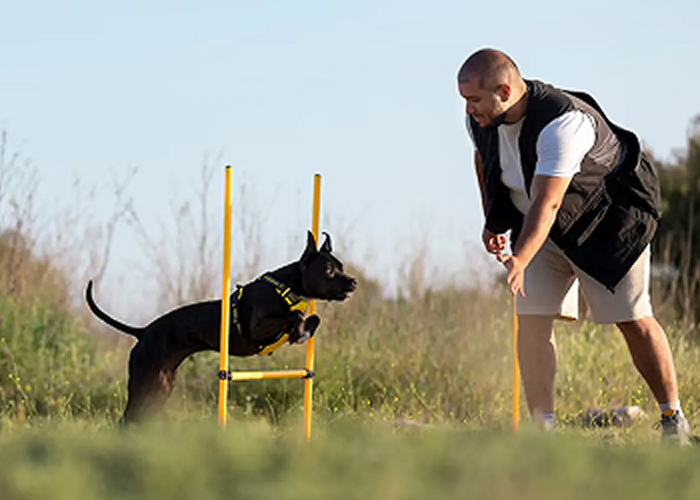
Why Professional Puppy Training Can Help
Training a puppy can be rewarding, but it can also feel challenging for new owners. Professional guidance can provide structure and help you avoid common training mistakes. If you are searching for Puppy Training Near Me in West Palm Beach, look for a trainer who uses clear communication, positive training methods, age-appropriate exercises, and practical guidance for everyday situations.
At All Dogs Rock, puppy training can help owners build better communication with their dogs while developing useful skills and positive habits. Working with a professional Puppy Trainer West Palm Beach families can rely on may be especially useful when you want personalized guidance rather than trying to solve every training challenge on your own.
What If You Start Training Your Puppy Later?
Do not panic if your puppy is older and has not received formal training yet. Dogs can learn at many different ages. While starting early can help establish good habits, an older puppy or young dog can still learn obedience, manners, social skills, and new routines.
The important thing is to start with realistic goals and remain consistent. Avoid comparing your puppy with other dogs. Every puppy learns at a different pace.
Final Thoughts
The best age to start puppy training is usually around eight weeks, when puppies are ready to begin learning simple behaviors and routines. However, training is a continuing process rather than something you complete at a specific age. Start with basic skills, introduce safe socialization, reward positive behavior, and gradually increase the difficulty of training as your puppy grows.
Whether you are teaching your puppy at home or looking for professional puppy training near me, patience and consistency are key. With the right guidance, your puppy can develop the skills and confidence needed to become a well-mannered family companion. For puppy owners in West Palm Beach, All Dogs Rock can be a resource for building a stronger relationship between you and your dog through structured training and practical guidance.
Frequently Asked Questions
What is the best age to start puppy training?
Around 8 weeks is a good time to begin basic puppy training. Start with simple behaviors such as name recognition, potty routines, crate introduction, and basic commands. Keep sessions short, positive, and appropriate for the puppy’s age.
Can I train my puppy at 8 weeks old?
Yes. An 8-week-old puppy can begin learning simple behaviors and household routines. Training should be gentle and use positive reinforcement. At this age, focus on building good habits rather than expecting perfect obedience.
When should puppies start obedience training?
Puppies can begin basic obedience training as soon as they come home. Simple commands can be introduced early and gradually developed as the puppy grows. More structured obedience work can be added as the puppy becomes more mature.
What is the best age for puppy socialization?
Puppy socialization should begin early and continue as the puppy grows. Introduce your puppy to appropriate people, sounds, surfaces, and environments in safe and positive ways. Ask your veterinarian about appropriate public exposure based on your puppy’s health and vaccination status.
Can an older puppy still be trained?
Yes. It is never too late to teach a dog new behaviors. Older puppies can learn obedience, manners, leash skills, and better behavior with consistent training. Professional guidance can be useful when unwanted habits have already developed.